What to Do for a Chipped Tooth Pain: Care and Repair Guide
Quick Answer
What to do for a chipped tooth immediately?
If you experience a chipped or broken tooth, rinse your mouth gently with warm water, cover sharp edges with dental wax, avoid chewing on the affected side, and arrange dental care as soon as possible. Early attention helps protect the natural tooth and prevents chips or cracks from worsening.
Key Takeaways
- Small chips can weaken tooth enamel over time.
- Cover a jagged edge to prevent irritation.
- Home care helps temporarily, but dental treatment fixes the tooth.
- Pain, swelling, or deep cracks may need urgent care or root canal therapy.
- Good oral health habits help prevent future chips.
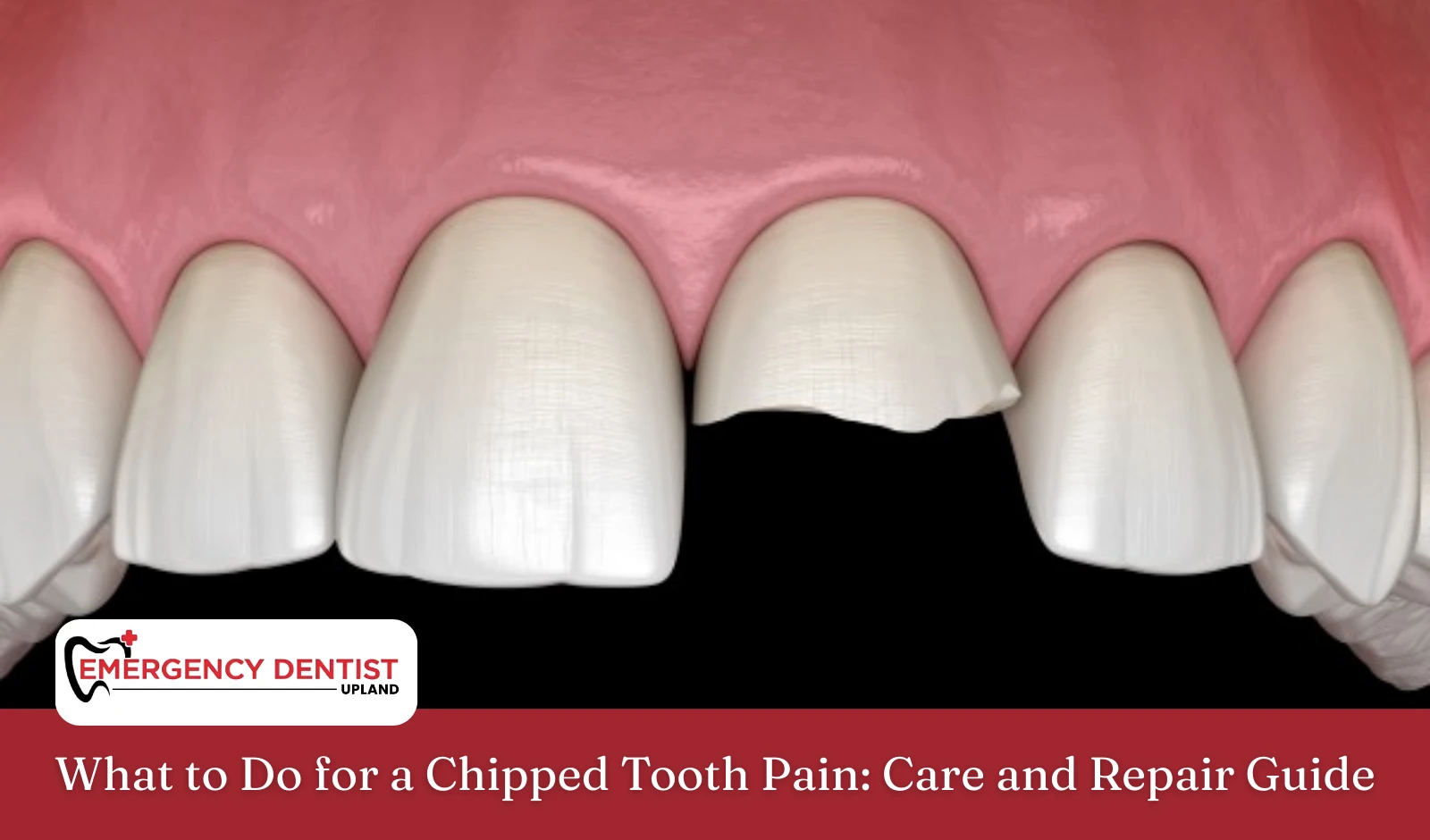
A chipped or broken tooth can happen unexpectedly from biting hard foods, nighttime clenching, or minor accidents that create chips or cracks. While small chips may only affect tooth enamel, deeper fractures can expose sensitive layers and cause discomfort or infection.
Understanding what to do for a chipped tooth at home helps protect the area until professional care is available. Whether you notice rough edges, small chips, or visible damage, early action supports healing and preserves your natural tooth.
If you’re in Upland, recognizing symptoms early and knowing your treatment options can help you decide when emergency dental care is needed.
Common Reasons Teeth Become Chipped
Chipped teeth often develop due to repeated stress on enamel or sudden impact. Many daily habits can contribute to damage without you realizing it.
Typical causes include biting hard foods, accidental falls, sports injuries, untreated decay that weakens enamel, nighttime teeth grinding, and using teeth as tools. Although some incidents are unavoidable, practicing mindful chewing and maintaining strong oral health can significantly lower your risk.
What to Do for a Chipped Tooth at Home
If immediate dental care is not available, simple steps can reduce irritation and prevent additional damage.
Immediate Home Care Steps
Rinse your mouth: Use warm salt water to cleanse the area and minimize bacteria. This helps soothe gum tissue and protects exposed surfaces.
Cover sharp edges: A jagged edge can irritate soft tissues. Applying dental wax or sugar-free gum creates a temporary barrier and prevents injury.
Use cold therapy: Applying a cold compress to the cheek can help control swelling and ease discomfort after trauma.
Avoid chewing on the affected tooth: Choose soft foods and chew on the opposite side to prevent further chips or cracks.
Preserve any fragments: If you find broken pieces of the tooth, storing them in milk or saline may help when repairing a chipped tooth during your appointment.
These measures provide short-term protection but should not replace professional dental treatments.
What to Do for a Chipped Tooth Pain
Pain levels vary depending on how deep the damage extends. When dentin or nerve tissue becomes exposed, sensitivity to pressure, temperature, or sweets is common.
Ways to Reduce Discomfort
- Take over-the-counter pain medication as directed
- Apply a cold compress to reduce swelling
- Avoid very hot, cold, or sugary foods
- Use numbing gel cautiously for temporary relief
If pain persists beyond a day or becomes more intense, prompt dental care is essential to prevent complications.
Minor Chips vs. More Serious Damage
Not all chipped teeth require emergency treatment, but understanding warning signs can help you decide when to seek care.
Minor Chips
- Small chips affecting only enamel
- Minimal or no discomfort
- Primarily cosmetic concerns
Moderate or Severe Damage
- Noticeable jagged edge or missing portion
- Pain when biting or sensitivity to temperature
- Bleeding or gum irritation
- Visible cracks extending deeper into the tooth
Even minor chips should be evaluated to prevent long-term issues and protect oral health.
Professional Treatment Options for Repairing a Chipped Tooth
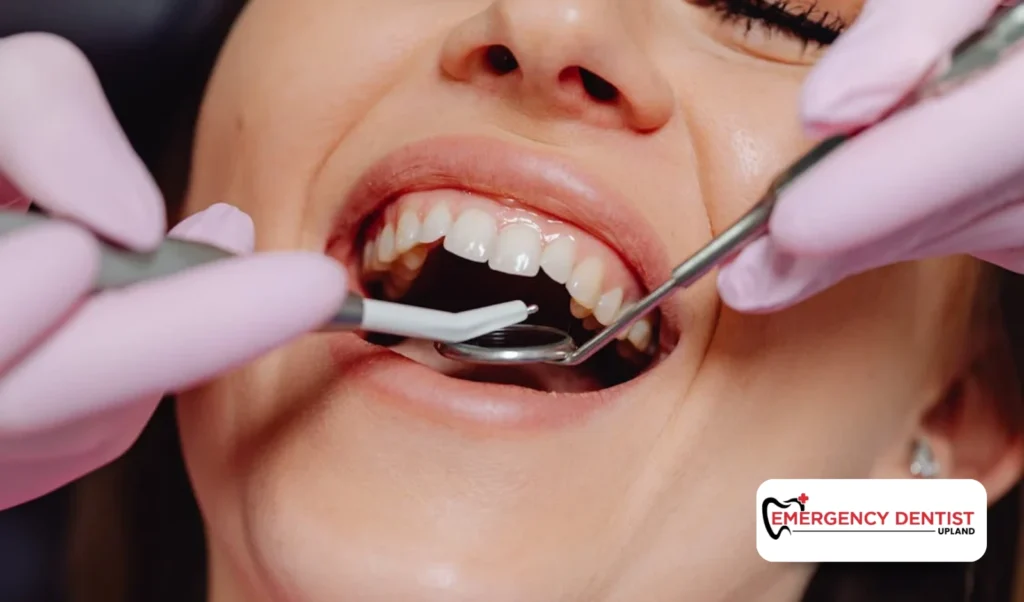
Dentists offer several treatment options depending on the extent of damage and the location of the fracture.
Dental Bonding: Dental bonding is commonly used for minor chips and chipped front tooth repairs. Tooth-colored resin restores shape, smooths rough surfaces, and improves appearance.
Dental Crowns: When structural damage is significant, crowns provide protection by covering and strengthening the remaining tooth.
Veneers: Veneers are ideal for repairing a chipped front tooth where cosmetic improvement is important. They enhance both strength and appearance.
Root Canal Therapy: If chips or cracks reach the inner pulp, root canal therapy removes infected tissue and preserves the natural tooth before final restoration.
Your dentist will recommend dental treatments based on the severity of the injury and your dental care needs.
When a Chipped Tooth Requires Emergency Attention
Certain symptoms may signal the need for prompt dental evaluation. Consider contacting an Emergency Dentist in Upland if you experience:
- Severe or persistent pain
- Swelling or signs of infection
- Sensitivity to pressure or tooth mobility
- Deep fractures near the gum line
Early intervention improves the chances of saving the natural tooth and prevents infection from spreading.
Preventing Future Chips and Cracks
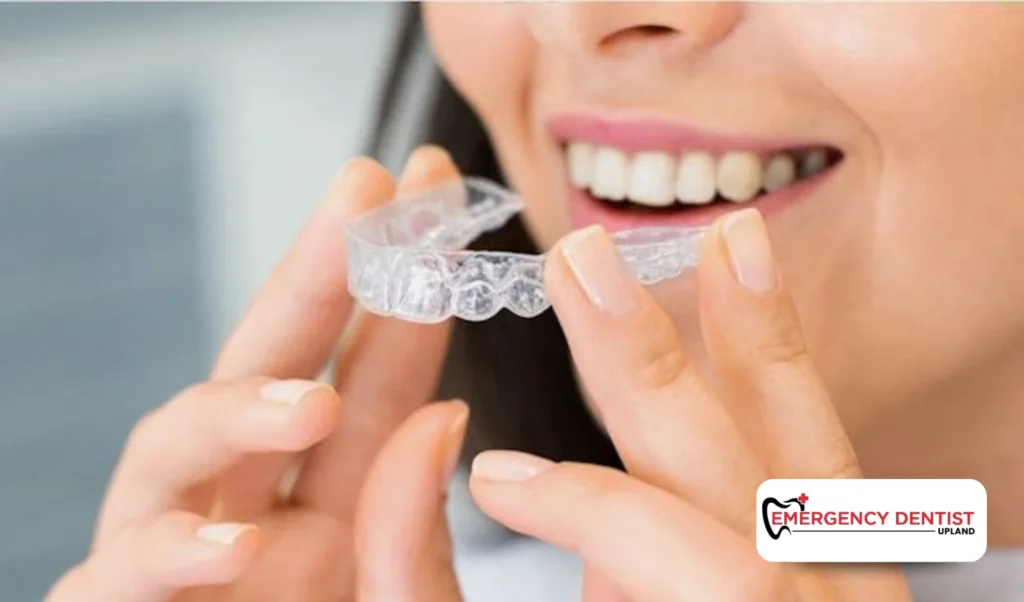
After fixing a chipped tooth, preventive habits help maintain strong enamel and reduce repeat damage.
Helpful Prevention Tips
- Wear a night guard if you grind your teeth
- Avoid chewing hard objects like ice or hard candy
- Maintain regular dental checkups and consistent brushing and flossing
Preventive dental care plays a key role in supporting long-term oral health.
Final Thoughts
A chipped or broken tooth should not be ignored, even if it seems minor. Small chips can turn into deeper damage, leading to pain, infection, and more complicated treatment.
Knowing what to do for a chipped tooth pain can give short-term relief, but professional dental care is the best way to fix a chipped tooth and protect your natural tooth. If you notice sharp edges, sensitivity, or visible damage, early care helps keep your smile healthy.
Restore Comfort and Protect Your Smile
Tooth damage can quickly interfere with daily comfort and confidence. If you are experiencing chipped teeth, sensitivity, or noticeable chips or cracks, timely evaluation can help prevent further complications.
An Emergency Dentist in Upland can assess the damage, explain treatment options, and guide you toward repairing a chipped tooth safely. Early dental care supports comfort, protects your natural teeth, and helps you return to normal activities with confidence.
Frequently Asked Questions
I chipped my tooth but feel no pain, should I still get it checked?
Yes. Even minor chips can weaken tooth enamel and lead to future cracks or sensitivity. A dental evaluation helps prevent complications.
What can I do to stop irritation from a sharp edge?
You can place dental wax or sugar-free gum over the jagged edge to protect your tongue and cheeks until you see a dentist.
How soon should I fix a chipped tooth?
It is best to seek dental care within a few days. Delaying treatment may allow bacteria to enter the tooth and cause discomfort or infection.

ABOUT THE AUTHOR
Dr. Taylor Nielsen, DMD
Co-Founder of Emergency Dentist Huntington Beach, Upland, & More
Dr. Taylor Nielsen, DMD, earned his dental degree from Oregon Health & Science University after graduating with honors from Brigham Young University–Idaho. With over 1,000 hours of volunteer dental service, he is committed to providing high-quality, comfortable, and personalized care for every patient.