
Emergency Dental Sports Injuries in Upland
Fast Relief. Expert Dental Care for Athletes.
Whether you’ve suffered a sports-related injury or need help managing a fractured tooth, we’re here for you. At Emergency Dentist Upland, we provide same-day emergency dental care for sports injuries, helping athletes recover quickly and safely.
Urgent Dental Injuries from Sports?
Dentist for Sports Injuries in Upland
Sports injuries can happen in an instant – especially when you’re not wearing a mouthguard. From a tooth that is knocked out to jaw fractures or tooth fractures, our team specializes in how to treat a sports dental injury quickly and effectively.
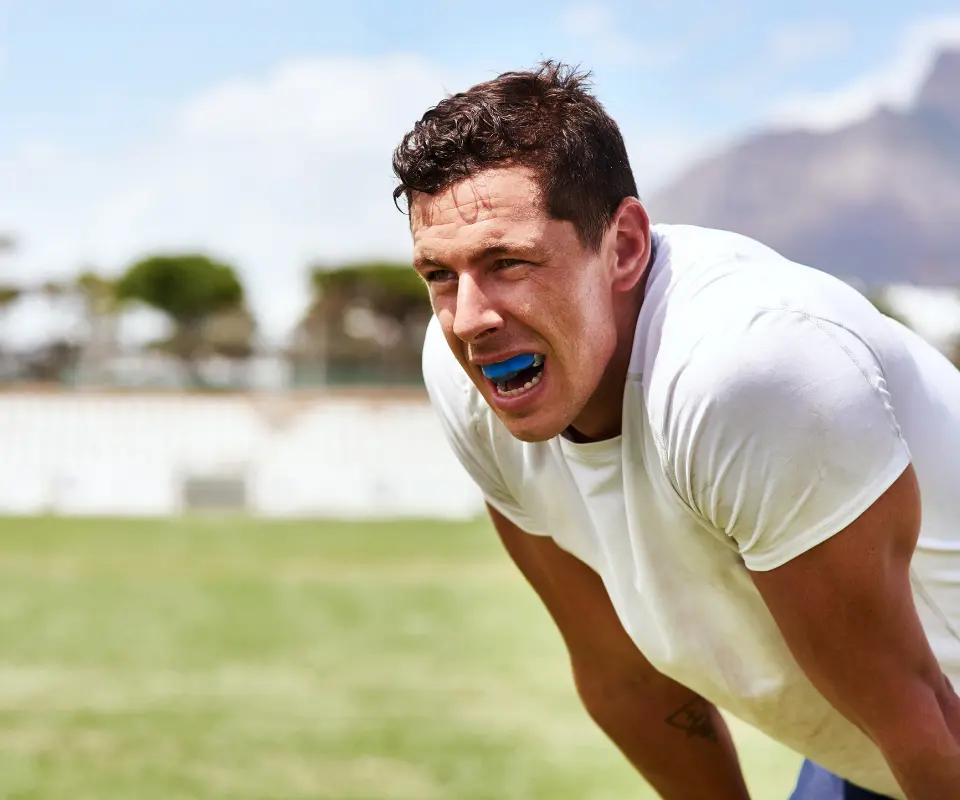
We help athletes of all levels – youth, amateur, and professional, get back in the game with:
- Emergency treatment for sports-related dental injuries
- Custom fitting mouthguards to prevent future trauma
- Comprehensive dental care for athletes of all ages
Whether you’re new to sports or a seasoned pro, preventive measures like using high-quality boil and bite mouthguards or custom guards are key to protecting your dental health.
Common Dental Sports Injuries We Treat
At Emergency Dentist Upland, we specialize in sports dentistry and treat a range of sports-related dental injuries with expert care. Here’s a breakdown of the most common cases we see:
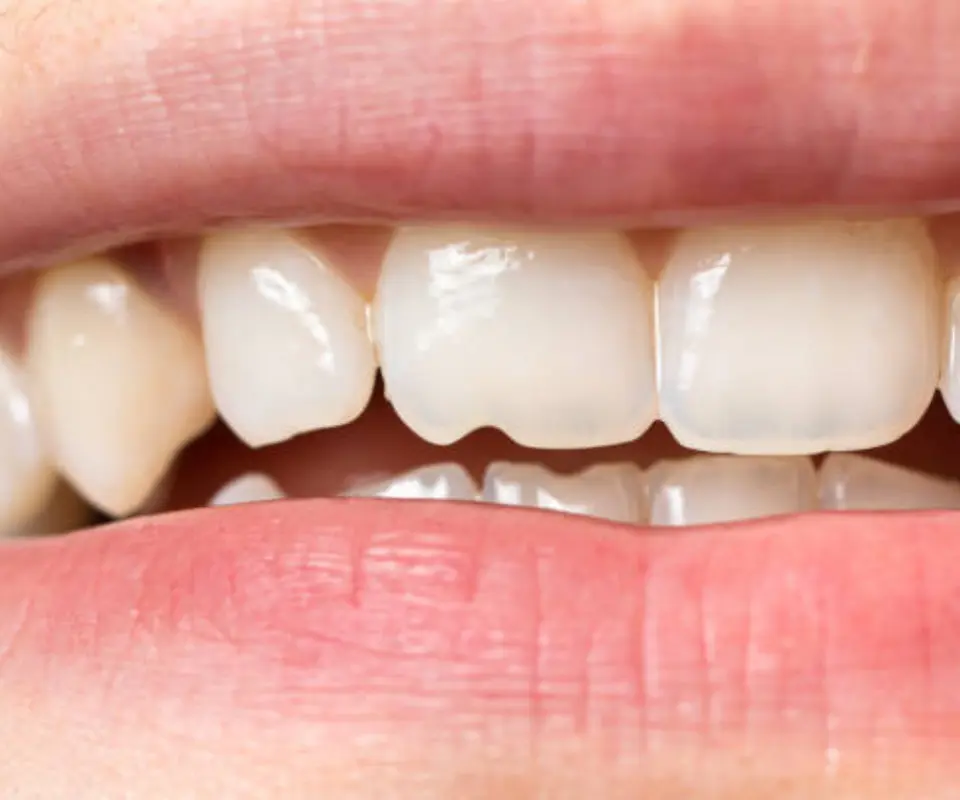
Tooth Fractures
Caused by direct impact from a ball, equipment, or another player. Cracked or chipped teeth should be treated promptly to avoid infection or further damage.
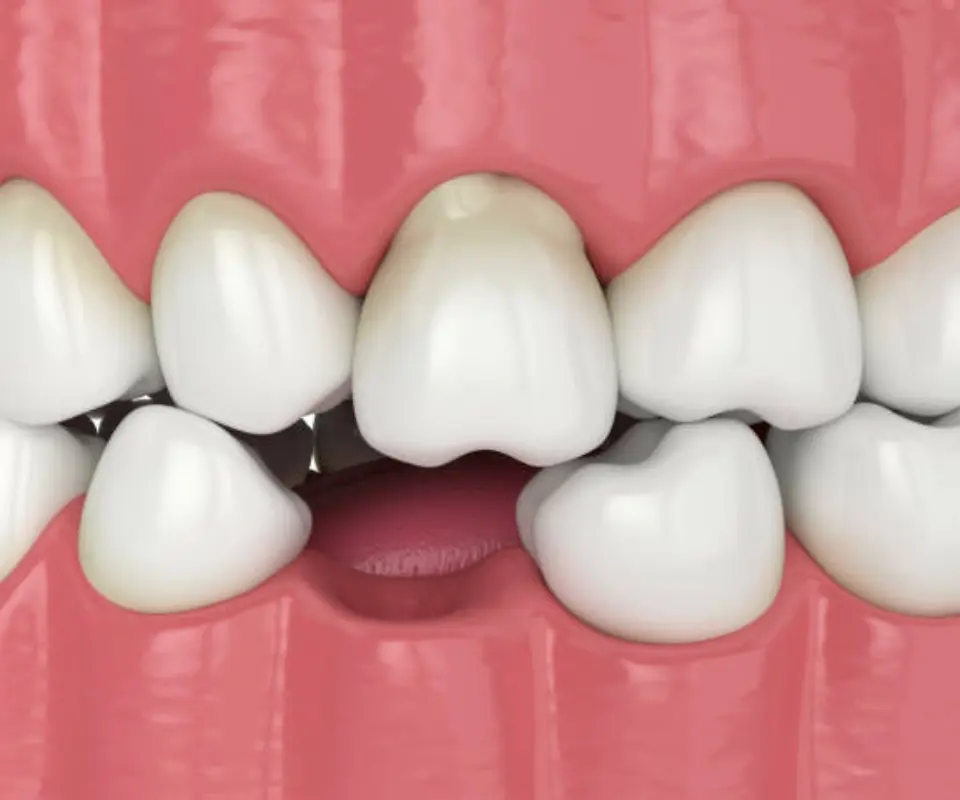
Dislocated Teeth
Teeth that are knocked out of alignment or completely avulsed (knocked out) need immediate reimplantation for the best chance of saving the tooth.
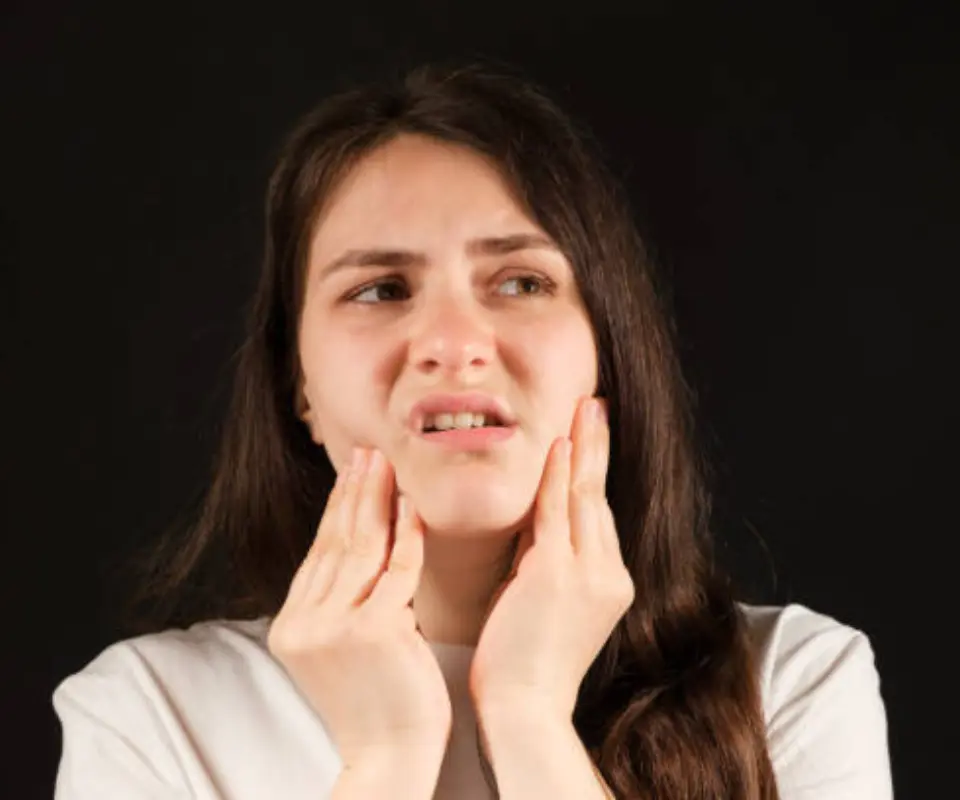
Jaw Fractures
A heavy hit to the lower face can result in broken or fractured jaws, often accompanied by swelling, difficulty chewing, or jaw misalignment.
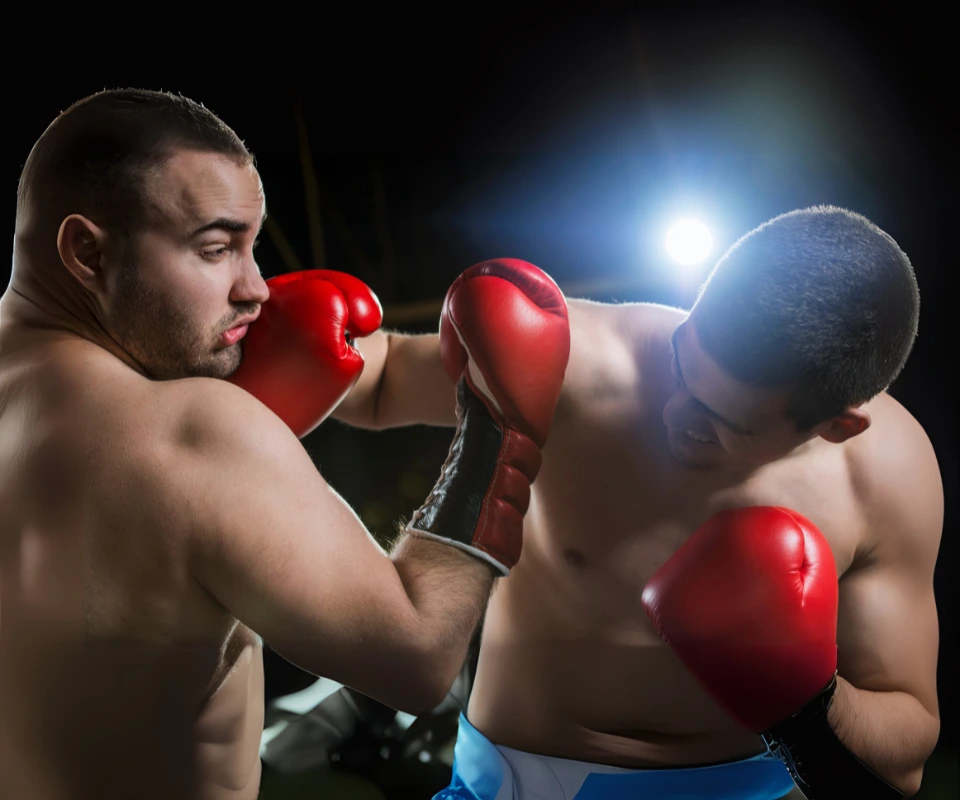
Concussions from Oral Impact
A blow to the jaw can transmit force to the brain, causing a concussion. Athletes who sustain dental trauma should also be evaluated for possible head injury.
Sports Injury to Your Teeth? Get Urgent Dental Help Today!
How to Treat a Dental Injury in Sports
When you arrive, we’ll conduct a physical exam, take X-rays if necessary, and begin treatment immediately. If you have a knocked-out tooth, remember:
- Don’t touch the root. Only handle the crown (top part of the tooth).
- Rinse gently and store it in milk or saline solution.
- Get to our clinic within 30 minutes – time is critical.
For a fractured tooth or jaw fractures, our team will stabilize the injury and perform or refer for further treatment as needed. We always aim to preserve the natural tooth and restore your smile.
Why Choose Emergency Dentist Upland?
- Same-day emergency appointments
- Experts in dental care for athletes
- Advanced tools for accurate diagnosis
- We guide you through recovery and prevention
- Trusted by Upland's sports community
Don’t let an injury impact your performance or confidence. We’re here to keep your dental health in top shape so you can focus on your participation in sports.
How to Prevent Dental Sports Injuries
Protect Your Smile Before You Play
Preventing a sports-related dental injury is much easier (and less painful) than treating one. The most effective tool for protecting your teeth during athletic activity is a mouthguard and not all mouthguards are created equal.
Why Mouthguards Matter
According to the American Dental Association, athletes are 60 times more likely to suffer dental injuries when not wearing a mouthguard. Contact and high-impact sports, including football, basketball, soccer, martial arts, and even skateboarding, all pose a risk of tooth fractures, jaw injuries, and knocked-out teeth.
Types of Mouthguards
- Boil and Bite Mouthguards: Easily available and affordable, these mouthguards soften in hot water and are molded to your teeth by biting down. While better than nothing, they often don’t offer a precise fit or optimal comfort.
- Custom-Fitting Mouthguards: Created specifically for your bite by a dentist, these offer superior protection, comfort, and durability. They’re less bulky, making it easier to breathe and speak, especially important for young athletes.
Frequently Asked Questions
I got hit in the mouth while playing sports. How do I know if my teeth are injured?
Check for chipped, cracked, loose, displaced, or missing teeth. Pain when biting, bleeding, swelling, or a change in your bite can also indicate an injury. Some damage may not be visible, so a dental exam may be needed after a significant impact.
What kinds of dental injuries can happen while playing sports?
Sports accidents can cause chipped or cracked teeth, tooth fractures, loose or knocked-out teeth, cuts to the lips or gums, and injuries to the jaw or tissues supporting the teeth.
My tooth got knocked out during a game. What should I do right away?
Pick up a permanent tooth by the crown, not the root. If it is dirty, gently rinse it without scrubbing. If possible, place it back into the socket without forcing it. If you cannot, keep it moist in milk or an appropriate tooth-preservation solution and seek dental care immediately.
I chipped or cracked my tooth during practice. What should I do?
Rinse your mouth gently with water and avoid chewing with the injured tooth. If you find any broken pieces, keep them in a clean container and bring them to your dental appointment.
How will the dentist treat a tooth that was damaged during sports?
Treatment depends on the type and extent of the injury. Options may include bonding, a dental crown, stabilization of a loose tooth, root canal therapy, tooth reimplantation, or another treatment based on the condition of the tooth.
My tooth looks normal after getting hit. Could it still be damaged?
Yes. An impact can sometimes affect the pulp, root, or tissues supporting a tooth without causing an obvious chip or crack. Continued pain, sensitivity, looseness, or a change in tooth color should be evaluated.
How long will my mouth take to heal after a sports dental injury?
Healing time depends on the type of injury and treatment provided. A minor injury may improve relatively quickly, while a more significant injury can require additional healing and follow-up visits.
What kind of mouthguard should I use to protect my teeth during sports?
A mouthguard should fit securely and remain in place during activity without making it difficult to breathe or speak. Stock, boil-and-bite, and custom-fitted mouthguards are available, and a dentist can help determine which option is suitable for you.
How do I make an appointment for a sports dental injury in Upland?
Call (909) 285-9850 or use the online appointment form to request a visit. When scheduling, explain how the injury happened and whether you have a chipped, broken, loose, displaced, or knocked-out tooth, bleeding, swelling, or pain.