

Quick Answer
What should you do if part of a back tooth breaks without pain?
If you have a back tooth chipped off with no pain, protect the area from hard chewing and arrange a dental evaluation. A dentist can examine the remaining tooth structure and determine whether the damage needs repair, even if you have no discomfort.
Key Takeaways
- A back tooth can lose a piece without causing immediate pain.
- A minor chip may involve only a limited portion of the tooth.
- Avoid hard, crunchy, and sticky foods around the damaged area.
- A dentist can determine whether you have a chip or crack and assess its extent.
- New sensitivity, bite changes, or further breakage should be mentioned to your dentist.
- Professional dental care can help determine whether treatment or monitoring is appropriate.
Finding a missing piece of a molar can be confusing when the tooth doesn’t hurt. You might notice an uneven surface while brushing, feel something rough with your tongue, or discover a fragment after a meal.
Without a toothache, the problem may not seem important. However, pain is not the only factor used to understand dental damage.
Knowing what may cause chipped teeth and how to protect the area can help you manage the situation until a dentist can examine it.
Why Might a Chipped Back Tooth Have No Pain?
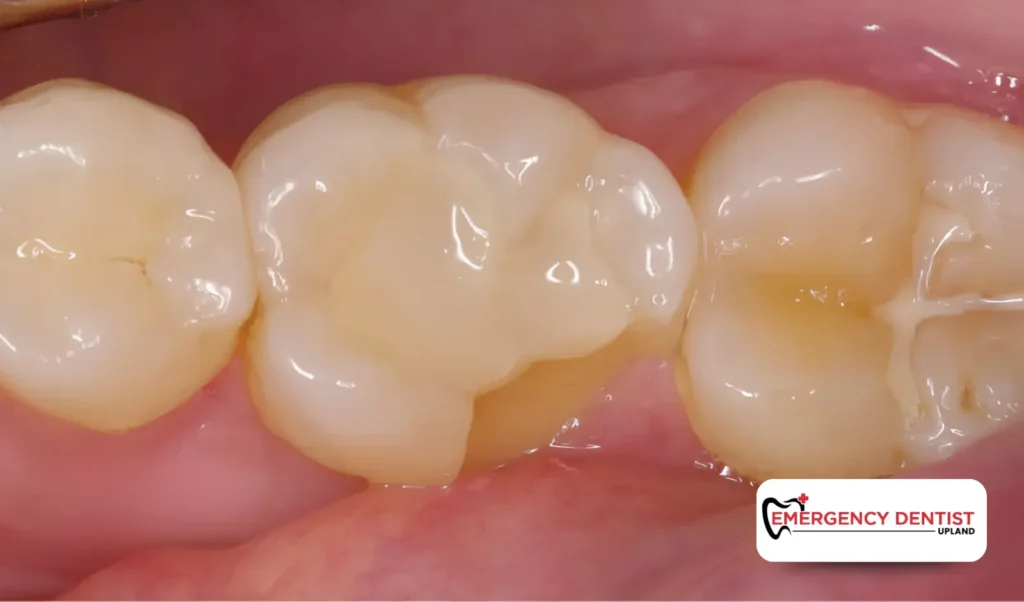
The visible portion of a tooth has a strong outer layer, called enamel, that helps protect the more sensitive structures inside.
When only a limited part of the tooth is lost, the damaged area may not reach structures that produce noticeable sensitivity. This can leave you with a chipped back tooth no pain even though the shape of the tooth has changed.
The location and depth of the damage also matter. What looks like a small chip at home may be difficult to evaluate accurately without a dental examination.
For this reason, a tooth with no pain should not automatically be considered undamaged or problem-free.
What Could Make a Back Tooth Break?
Back teeth absorb considerable force during everyday eating. A tooth may chip after one particular event or after being exposed to repeated stress.
Biting Down on Hard Foods
Ice, hard candy, nuts, and unpopped popcorn kernels can place concentrated force on a molar. A weakened area may be more likely to break when this happens.
Sometimes you feel the change immediately. Other times, the damaged area is discovered hours or even days later.
Clenching or Grinding Your Teeth
Regular teeth grinding can repeatedly stress the chewing surfaces of your molars. Because this can happen while you sleep, the habit may not always be obvious.
When discussing tooth wear, your dentist may also use the term grinding bruxism. The condition of your teeth and bite can be considered as part of the overall evaluation.
Decay and Previous Dental Work
Tooth decay can reduce the amount of healthy structure in a tooth. A molar with a large filling or another restoration may also have less natural tooth material remaining.
These factors do not mean that breakage will always occur. They simply give the dentist useful context when examining the damaged area.
Is a Painless Chipped Back Tooth a Dental Concern?
If your tooth has chipped off no pain, you may wonder whether you can wait until it begins hurting before having it checked.
The difficulty is that symptoms alone cannot show how much structure has been lost. A limited surface chip and a more significant broken tooth can feel similar at first.
Some cracked teeth can also be difficult to identify by appearance or symptoms alone. Having the area examined can provide peace of mind and help clarify the type and extent of the damage.
You may notice sharp edges or a rough area where the piece came away. The shape of the chewing surface may also feel different.
Until the tooth can be evaluated, pay attention to changes such as sensitivity, discomfort while biting, swelling, or additional pieces breaking. These details can help your dentist understand what has happened.
Related: Is a Chipped Tooth an Emergency? Warning Signs and Care Tips
How Should You Care for the Tooth Before Your Visit?
The main goal while waiting for a dental appointment is to avoid unnecessary stress on the damaged area.
Try chewing on the opposite side of your mouth. Softer foods may be easier to manage, while very hard, crunchy, or sticky foods are best avoided around the affected tooth.
Continue your usual brushing and flossing carefully to support your oral health. Be gentle near any rough areas.
If you find the broken piece, save it and take it to your appointment. Avoid using household glue, filing the edge, or attempting another home repair.
Related: Temporary Fix for Chipped Tooth Before Your Dental Visit
What Are the Possible Ways to Repair the Tooth?
The type of repair depends on the extent of the damage and the condition of the remaining tooth.
A limited chipped area may sometimes be smoothed or restored with filling material. If a larger portion of the chewing surface has been lost, a dentist may discuss a restoration that provides more coverage.
More extensive damage can require a different treatment plan. If the tissue deeper inside the tooth has been affected, root canal treatment may be considered before the tooth is permanently restored.
There is no single procedure for every chipped molar. Your dentist can recommend an option after evaluating the individual tooth.
Related: Treatment for a Chipped Tooth: Fast Repair and Recovery Care
Final Thoughts
A painless chipped molar may be easy to overlook, especially when you can still eat and drink normally. However, the absence of discomfort cannot tell you how much of the tooth has been affected.
Protect the damaged area from heavy chewing and arrange an evaluation rather than waiting for pain to appear. Knowing the extent of the damage can help you make an informed decision about any recommended care.
Have Your Chipped Back Tooth Evaluated in Upland
If part of your molar has broken away, an Emergency Dentist in Upland can examine the damaged tooth and discuss appropriate next steps. An evaluation can help clarify whether the area needs repair and how the remaining tooth structure can be protected.
Frequently Asked Questions
Can a chipped back tooth feel normal even if it is damaged?
Yes. A chipped tooth may feel normal if the damage has not reached a sensitive area. A dentist can examine the tooth to determine how much damage occurred.
Can a chipped back tooth affect my bite?
Yes. If part of the chewing surface breaks away, the tooth may feel different when you bite. Tell your dentist if your bite feels uneven or uncomfortable.
Can I wait until my chipped tooth hurts before seeing a dentist?
It is better to have the tooth checked before pain develops. A dental exam can show how much of the tooth is affected and whether treatment is needed.