

Quick Answer
White gums after tooth extraction often develop because the wound is creating fresh tissue to cover and repair the socket. A whitish surface can therefore be expected during recovery. If pain starts increasing instead of improving, or you develop fever, swelling, foul odor, an unpleasant taste, or exposed bone, contact a dentist.
Key Takeaways
- A pale socket is commonly seen as an extraction wound changes.
- New tissue gradually replaces the initial blood clot.
- The wound should be protected rather than picked or scrubbed.
- Soft meals and careful oral hygiene can support comfortable recovery.
- Increasing symptoms may be more important than the color of the gums.
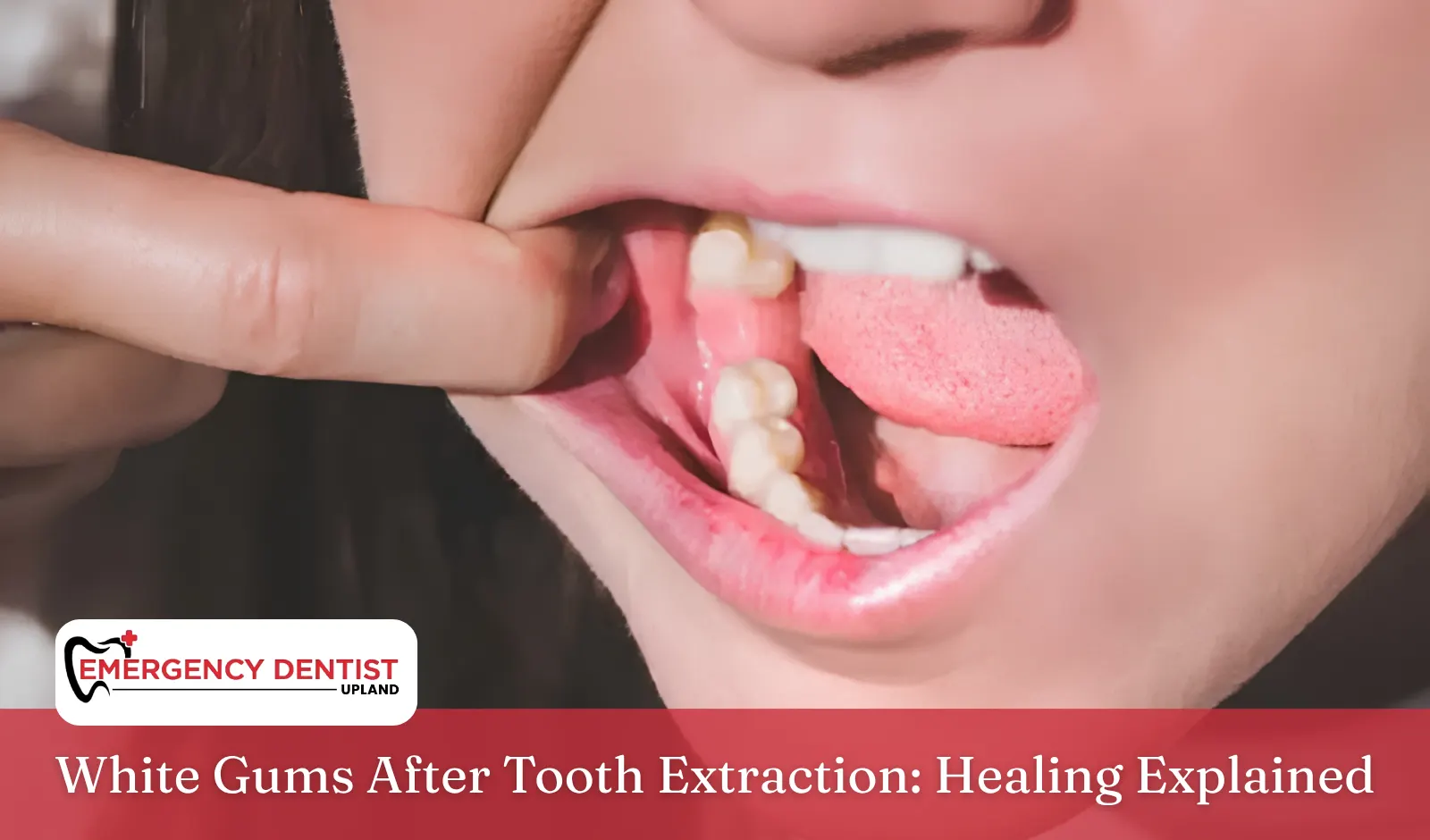
Questions about after tooth extraction white gums are common because a healing dental wound may not look the way you expect. The socket can change color several times before normal-looking gums cover the area.
Most pale changes are temporary and occur as the mouth repairs itself.
Why Does White Material Develop?
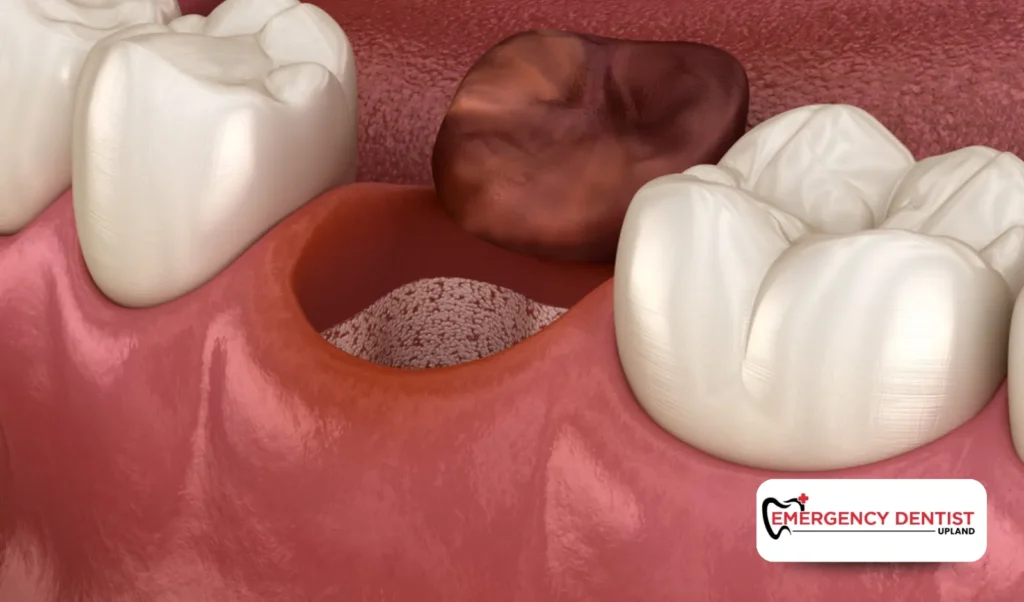
A clot normally develops shortly after the procedure. It helps protect the underlying bone and tissues while providing a foundation for early healing.
As healing continues, granulation tissue begins replacing the early clot. This new material contains collagen and growing blood vessels that help support the wound.
Its pale color is commonly part of the healing process. Over time, new gum tissue grows across the area and makes the opening less noticeable.
Understanding Normal Socket Healing
Recovery involves more than what you can see on the surface.
White blood cells take part in the body’s response to the wound, while nutrients and oxygen support the growth of new cells.
This stage of tooth extraction healing can make the tooth extraction site appear white, cream-colored, or slightly yellow for a period of time.
Larger wounds, including those created during wisdom teeth removal, may remain noticeable for longer.
As long as discomfort and swelling are gradually decreasing, a changing appearance by itself is often not a cause for alarm.
Related: Wisdom Tooth Extraction Recovery: How Healing Progresses
Signs the Socket May Need Attention
Certain symptoms can suggest that recovery is not going as expected.
Common signs of infection can include fever, drainage, increasing swelling, and pain that becomes more severe. An ongoing bad taste or foul odor may also occur.
Dry socket can develop when the protective clot does not form properly, becomes dislodged, or breaks down too soon. Strong pain and visible bone are possible signs that the socket needs professional evaluation.
Not every unusual-looking area is a complication. Food debris can become caught in the opening, and light-colored food particles may resemble healing tissue.
Avoid using your fingers or another object to inspect or clean deep inside the socket.
Everyday Care During Recovery

The wound needs protection, especially during the first day.
After 24 hours, gentle warm salt water rinses can usually be started. Let the water move carefully around your mouth and avoid aggressive swishing.
For meals, choose easy-to-chew foods. Yogurt, soup, eggs, oatmeal, bananas, and mashed potatoes may be more comfortable early on.
Continue brushing and flossing away from the wound. When cleaning nearby teeth, take care not to disturb attached white tissue.
It is also wise to avoid smoking, straws, and forceful spitting while the clot and early tissue are developing.
Following your dentist’s instructions gives the area the best opportunity to heal properly.
Related: After Wisdom Tooth Removal What Can I Eat for Better Healing
When Should a Dentist Examine the Area?
Early soreness should gradually become easier rather than more intense.
Contact your dentist if you develop worsening pain, fever, increasing swelling, persistent bleeding, drainage, or a strong odor from the wound.
Professional evaluation can identify the cause and determine whether treatment is necessary.
Final Thoughts
Seeing a pale layer over an extraction wound can be surprising, but it is often a normal stage of tissue repair.
Focus on protecting the area and monitoring how you feel instead of trying to remove the white material yourself.
Wondering Why Your Extraction Site Has Changed?
Recovery can bring unfamiliar changes, and photographs or descriptions cannot always show whether a socket is progressing normally.
If discomfort is increasing or the area has developed other concerning symptoms, an Emergency Dentist in Upland can examine the wound and explain what may be happening. Contact the office for an emergency evaluation when your recovery no longer seems to be improving.
Frequently Asked Questions
How long can an extraction site look white?
A pale layer may remain visible for several days as the wound repairs itself. The appearance gradually changes as new gum grows and the socket becomes smaller.
Is a white extraction socket the same as pus?
No. Normal healing tissue can look white or cream-colored and should not be confused automatically with pus. Increasing swelling, pain, fever, or drainage are more concerning signs.
Should my extraction site look better every day?
Its appearance may change from day to day, so it may not always look noticeably better. Pain and swelling should generally trend downward. Contact your dentist if symptoms begin getting worse.
Is white tissue normal after a tooth extraction?
Yes. White tissue can appear as new tissue develops over the extraction site. It is often part of normal healing, especially when pain and swelling are gradually improving.
How long does a tooth extraction site take to heal?
Early healing usually occurs over the first one to two weeks, but the socket can take longer to close completely. Healing time can vary depending on the tooth removed, the type of extraction, and your overall health.
What are signs that my tooth extraction is not healing properly?
Watch for pain or swelling that gets worse instead of better, fever, drainage, a foul smell or taste, or persistent bleeding. Severe or increasing pain can also occur with dry socket. Contact your dentist if you develop concerning symptoms.