Quick Answer
After wisdom tooth removal what can I eat?
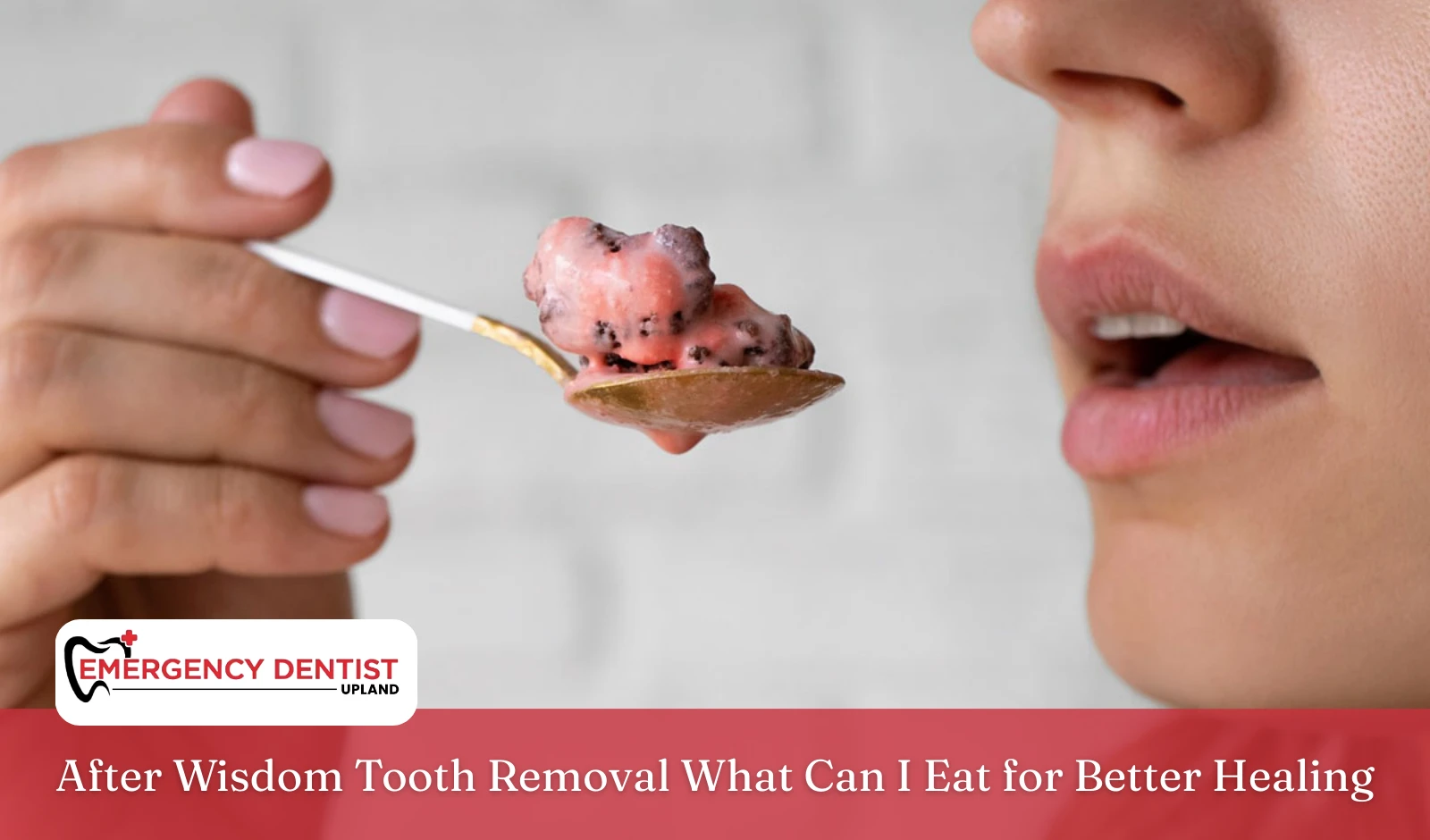
After wisdom tooth extraction, it is best to choose soft foods that are easy to chew and gentle on extraction sites. Mashed potatoes, scrambled eggs, yogurt, smoothies, soup, and small amounts of ice cream help protect surgical sites and support the healing process after oral surgery.
Key Takeaways
- Soft foods help protect extraction sites after wisdom teeth removal
- The first 24 hours are very important to avoid dry socket
- Easy-to-chew meals make it easier to eat after wisdom tooth extraction
- Slowly returning to solid foods supports safe recovery
- Nutrients, vitamins and minerals help speed the healing process
When your wisdom teeth are removed, it is normal to feel sore, swollen, or tired when chewing. After wisdom teeth extraction, your mouth needs time to heal, and the extraction sites must stay protected. Blood clots form in these areas and act like a natural covering that protects bone and nerves while tissue heals.
Many patients ask what to eat after wisdom tooth extraction because eating can feel difficult during the first few days. Choosing the best food for after wisdom tooth removal can reduce irritation, lower swelling, and help prevent dry socket.
Soft foods make eating easier without disturbing healing tissues. Gentle meals also help you stay nourished while your mouth recovers from oral surgery.
Understanding how eating habits affect healing can help you recover faster and avoid unnecessary discomfort.
The First 24 Hours After Oral Surgery
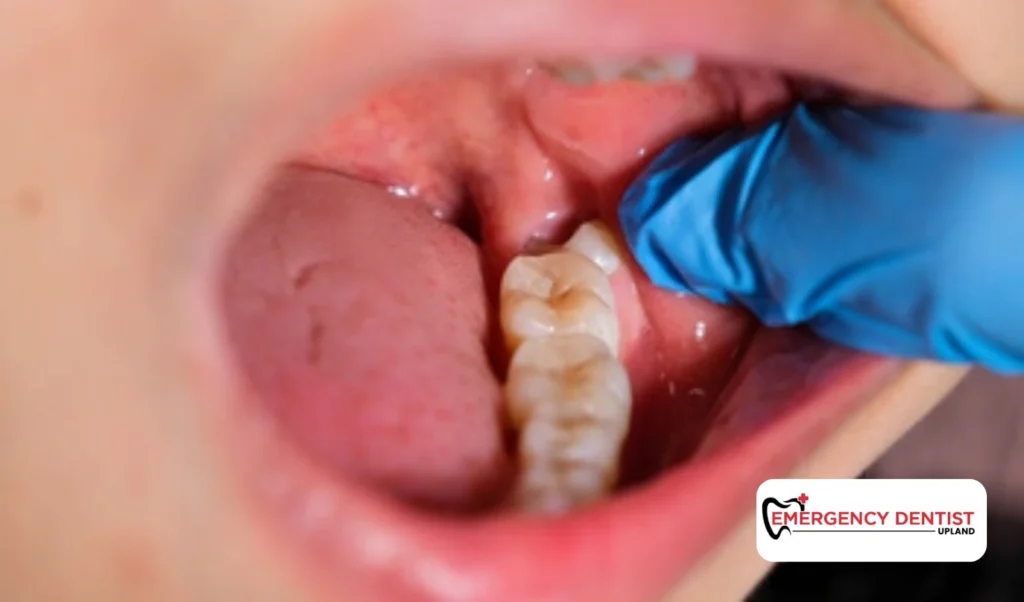
The first 24 hours after wisdom tooth removal are the most sensitive stage of recovery. During this time, blood clots form inside the extraction sites and protect surgical sites while your body begins the healing process.
If these clots are disturbed, dry sockets can occur and cause discomfort. Because of this, you should focus on liquids and very soft foods.
Good early options include:
- Smoothies without straws
- Yogurt
- Applesauce
- Blended soups
- Small servings of ice cream
Cold foods like ice cream can help soothe swelling and provide comfort. However, choose smooth textures and avoid very sugary choices when possible.
Best Soft Foods to Eat After Wisdom Teeth Removal
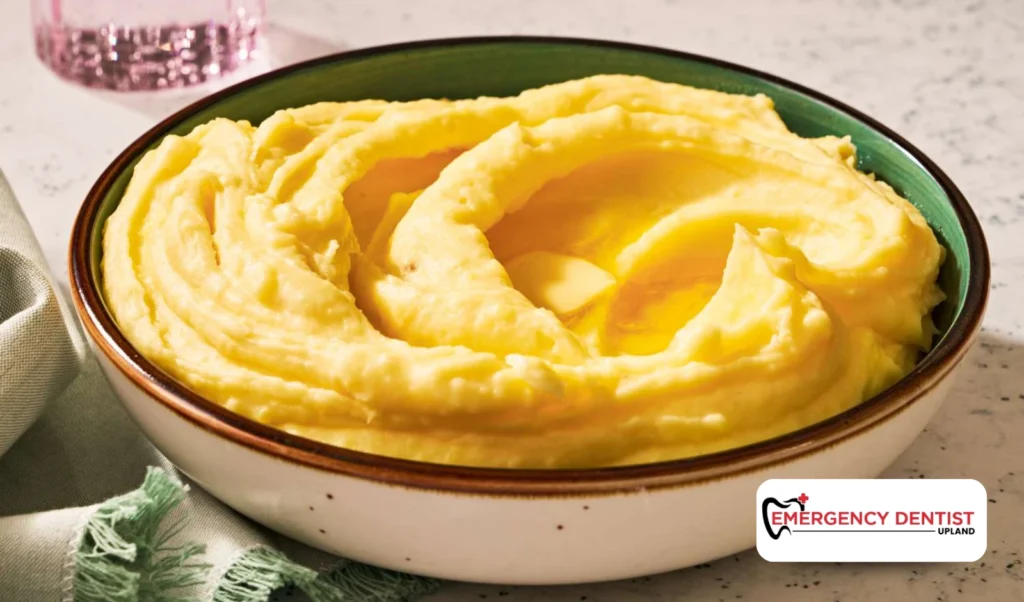
Soft foods to eat after wisdom teeth removal help you get important nutrition while protecting surgical sites.
Some helpful choices include:
- Mashed potatoes: Smooth and filling, mashed potatoes are gentle on gums and very easy to swallow.
- Scrambled eggs: Soft scrambled eggs provide protein and are easy to chew, helping support tissue repair.
- Oatmeal and soft cereals: These foods are warm, comforting, and simple to eat while giving your body fiber.
- Blended vegetables and soups: These meals provide vitamins and minerals without requiring chewing.
- Yogurt and soft dairy foods: These foods are soothing, nutritious, and gentle on extraction sites.
These options are easy to chew and help you eat after wisdom tooth procedures without putting pressure on healing areas.
Foods to Avoid During Recovery

Knowing what foods to avoid is just as important as knowing what to eat. Some foods can irritate surgical sites or slow the healing process.
Avoid:
- Chewy foods that require strong biting
- Crunchy snacks that may disturb extraction sites
- Spicy foods that may cause burning
- Seeds or grains that can become trapped
- Hard solid foods during early healing
These foods may disturb blood clots and increase the chance of dry socket.
When to Return to Solid Foods
After several days, you may feel ready to slowly introduce solid foods again. Healing speed depends on the difficulty of the wisdom tooth extraction and your body’s natural recovery.
Signs you may be ready include:
- Swelling starting to improve
- Jaw movement feeling easier
- Less tenderness near extraction sites
Begin with soft solids like pasta, soft rice, or flaky fish. Gradually adding firmer foods helps protect surgical sites and prevents discomfort.
Nutrition Tips to Support the Healing Process
The healing process after oral surgery depends heavily on proper nutrition. Your body needs hydration, protein, and key vitamins and minerals to rebuild tissue and reduce inflammation.
Helpful tips:
- Drink water often throughout the day
- Choose soft protein-rich foods
- Blend fruits and vegetables for easier eating
- Avoid alcohol and carbonated drinks early on
Balanced nutrition helps maintain energy levels even when chewing feels difficult.
When to Contact a Dental Professional
Most patients heal without complications, but some symptoms should not be ignored.
Watch for:
- Pain that gets worse instead of better
- Bad taste or odor from extraction sites
- Swelling that continues to increase
- Signs of dry socket, such as throbbing pain
If these symptoms appear, visiting an Emergency Dentist in Upland can help ensure proper healing and provide treatment if needed.
Conclusion
Choosing soft, nourishing foods after wisdom tooth removal helps protect extraction sites and supports healing. Foods like mashed potatoes, scrambled eggs, yogurt, and blended soups reduce irritation while giving your body important nutrients. Avoiding chewy foods and slowly returning to solid foods can lower dry socket risk and make recovery smoother.
Support Your Wisdom Tooth Recovery in Upland
If eating feels difficult or discomfort continues after oral surgery, professional guidance can make recovery easier. Emergency Dentist in Upland provides prompt evaluation for patients experiencing pain, swelling, or concerns after wisdom tooth extraction. Early care helps protect surgical sites and supports a healthier, more comfortable healing experience.
Frequently Asked Questions
Can I eat mac and cheese after wisdom tooth removal?
Yes, soft mac and cheese can be a good option after a few days as long as it is easy to chew and not too hot.
Why do my extraction sites feel sensitive when I eat?
Sensitivity is normal while tissues heal and usually improves as swelling decreases.
Is soup a safe meal after wisdom teeth extraction?
Yes, blended or creamy soup is gentle, nutritious, and easy to eat during early recovery.

ABOUT THE AUTHOR
Dr. Taylor Nielsen, DMD
Co-Founder of Emergency Dentist Huntington Beach, Upland, & More
Dr. Taylor Nielsen, DMD, earned his dental degree from Oregon Health & Science University after graduating with honors from Brigham Young University–Idaho. With over 1,000 hours of volunteer dental service, he is committed to providing high-quality, comfortable, and personalized care for every patient.