
Quick Answer
What can help with wisdom tooth pain?
You may temporarily ease wisdom teeth pain with simple home remedies like cold compresses, warm saltwater rinses, softer foods, and gentle oral hygiene. These methods may help calm irritation, but worsening symptoms should still be evaluated by a dental professional.
Key Takeaways
- Wisdom teeth may cause swelling, soreness, and pressure
- Cold therapy may help reduce pain and swelling
- Gentle oral hygiene may lower irritation around the gums
- Temporary relief methods do not fix deeper dental issues
- Early dental care may help prevent complications
Wisdom teeth usually begin appearing during the late teen years or early adulthood. Some people experience very few symptoms, while others notice soreness, swelling, or pressure near the back of the mouth as the teeth start coming through the gums. Many patients search for “what can help with wisdom tooth pain” when discomfort begins affecting eating, sleeping, or everyday routines.
In many situations, wisdom teeth pain develops because there is not enough room for the teeth to grow properly. The teeth may push against nearby teeth, remain trapped beneath the gums, or grow at an angle. This pressure may irritate nearby tissue and increase sensitivity around the affected area.
As swelling develops, bacteria and food particles may collect around irritated gums. This may make oral hygiene more difficult and increase discomfort throughout the day.
Why Wisdom Teeth Can Cause Discomfort
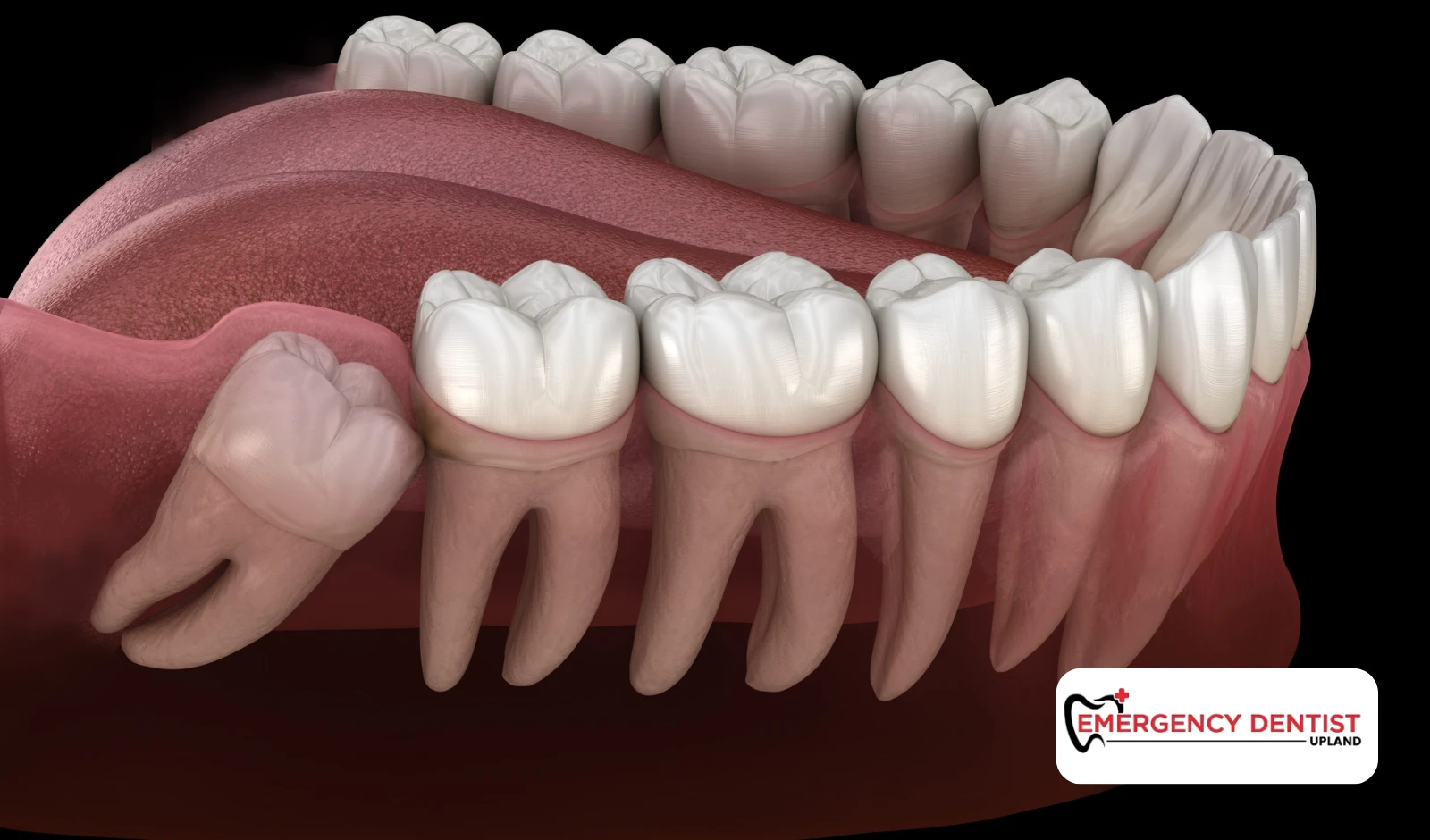
One common reason for soreness involves impacted wisdom teeth. These teeth may stay partially trapped beneath the gums or bone, creating pressure near surrounding teeth and soft tissue.
When bacteria build up around swollen gums, patients may notice tenderness, swelling, or a bad taste in your mouth. Some people may also feel discomfort while chewing or opening their mouth fully.
Home Remedies That May Help Relieve Wisdom Teeth Pain

Several simple home remedies may help relieve wisdom tooth pain before professional treatment becomes available.
Use a Cold Compress
Cold therapy may help reduce pain and swelling near the jaw. Wrap a cold compress or ice pack in a towel before placing it gently against your cheek.
Many people leave the compress in place for about 20 minutes to help with reducing inflammation and calming soreness around the affected area.
Rinse With Warm Salt Water
Warm salt water may help loosen trapped debris and keep irritated gums cleaner. Swishing gently around the mouth may help soothe irritated tissue while supporting healthier oral hygiene habits.
This simple rinse may also help reduce irritation near swollen gums.
Apply Clove Oil Carefully
Some people use clove oil because of its natural anti-inflammatory properties. Applying a very small amount near sore gums may help numb the area and provide temporary comfort.
Because the oil is strong, only a small amount should be used at one time.
Eat Softer Foods
Crunchy or hard foods may place extra pressure on swollen gums and increase discomfort. During painful flare-ups, softer foods may feel easier to chew.
Foods such as soup, yogurt, smoothies, mashed potatoes, oatmeal, and scrambled eggs are often easier to tolerate while the gums remain sensitive.
Safe Ways to Manage Wisdom Tooth Pain
Many people search for ways to relieve wisdom tooth pain quickly, but certain habits may worsen irritation.
Avoid chewing directly on the sore side whenever possible. Pressure near swollen gums may increase tenderness and discomfort during flare-ups.
Some patients also use a counter pain reliever for temporary comfort. Medication instructions should always be followed carefully before taking pain relief products.
Gentle brushing and flossing may also support better oral health by helping reduce bacteria around irritated gums.
Persistent soreness, swelling, bad breath, or a lingering taste in your mouth may sometimes suggest a deeper issue that requires professional treatment.
Safe Ways to Manage Wisdom Tooth Pain
Many people search for ways to relieve wisdom tooth pain quickly, but certain habits may worsen irritation.
Avoid chewing directly on the sore side whenever possible. Pressure near swollen gums may increase tenderness and discomfort during flare-ups.
Some patients also use a counter pain reliever for temporary comfort. Medication instructions should always be followed carefully before taking pain relief products.
Gentle brushing and flossing may also support better oral health by helping reduce bacteria around irritated gums.
Persistent soreness, swelling, bad breath, or a lingering taste in your mouth may sometimes suggest a deeper issue that requires professional treatment.
Signs You Should See a Dentist
Temporary discomfort may improve for short periods, but recurring symptoms should not be ignored. Certain warning signs may suggest infection or worsening irritation beneath the gums.
You should contact a dentist if you notice:
- Swelling that spreads into the jaw or face
- Difficulty opening your mouth
- Trouble chewing or swallowing
- Fever or worsening soreness
- Ongoing tenderness near the gums
- Irritation that keeps returning
These symptoms may indicate infection or complications involving the wisdom teeth.
In some situations, wisdom teeth removal may be recommended if the teeth continue causing pressure or damaging nearby teeth. Early treatment may help protect your oral health and reduce future complications.
Final Thoughts
Wisdom tooth discomfort can interfere with simple daily activities and make it difficult to stay comfortable throughout the day. Understanding how to help wisdom tooth pain may help you manage temporary symptoms while protecting your gums and teeth from additional irritation.
Simple home remedies such as cold therapy, saltwater rinses, and gentle cleaning may provide temporary comfort. However, ongoing soreness or swelling should still be professionally evaluated to avoid worsening problems.
Seeking treatment early may help support healthier long-term oral health and reduce the risk of future dental complications.
Comfortable Care for Wisdom Tooth Pain
Wisdom tooth discomfort can make eating, sleeping, and everyday tasks more difficult than usual. At an Emergency Dentist in Upland, we provide prompt evaluations and treatment options for swelling, pressure, and irritation near the back of the mouth.
Our team focuses on identifying the source of discomfort and helping patients feel relief before symptoms become more serious. Schedule an appointment today for compassionate and professional dental care.
Frequently Asked Questions
Can wisdom teeth make your gums feel swollen?
Yes, wisdom teeth may irritate nearby gum tissue and lead to swelling, especially when bacteria collect around the area.
Why does wisdom tooth pain sometimes spread into nearby teeth?
Pressure from impacted wisdom teeth may sometimes affect surrounding teeth and create discomfort in nearby areas of the mouth.
Can home remedies permanently stop wisdom teeth pain?
Home remedies may temporarily relieve wisdom tooth pain, but ongoing symptoms often require professional treatment to address the underlying issue.