

Quick Answer
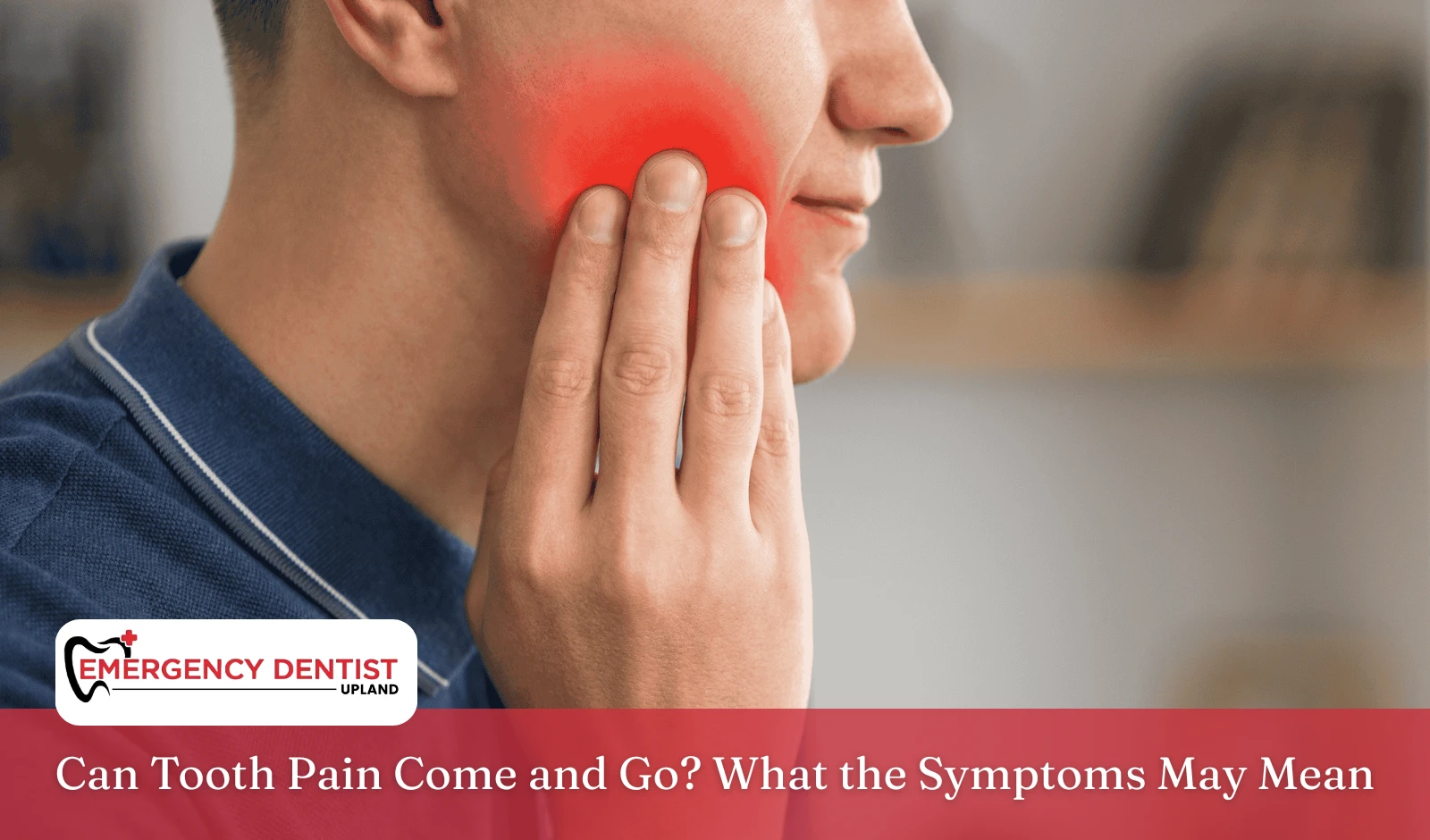
Can tooth pain come and go?
Yes, it can. Tooth discomfort may appear at certain times and then temporarily improve. This often occurs when irritation affects the inside of the tooth. Even if the pain stopped, the underlying issue may still be present and should be evaluated through professional dental care.
Key Takeaways
- Pain that fades does not always mean the issue has healed
- Intermittent tooth pain may indicate deeper dental problems
- Early treatment helps support long-term oral health
- Conditions left untreated can become more severe
- A dentist can determine the cause and recommend treatment
Many people ask, can tooth pain come and go, or can tooth pain go away on its own. Although symptoms may improve temporarily, the condition causing the discomfort often remains beneath the surface.
Inside every tooth are delicate tissues, nerves, and tiny blood vessels. When these structures become irritated, they can create discomfort that changes throughout the day. Some people notice sensitivity to hot beverages, while others experience discomfort after eating cold foods.
In some situations, the pain isn’t constant because the irritation settles temporarily. However, temporary relief does not necessarily mean the problem has healed. In many cases, the discomfort returns because the underlying dental issue continues to progress.
This recurring cycle is known as intermittent tooth pain. Even when symptoms improve briefly, these changing pain signals should not be ignored.
Common Causes of Recurring Tooth Pain
Several conditions may explain why discomfort appears inconsistently:
1. Tooth Decay
Early tooth decay may only cause discomfort at certain times. You may notice irritation when eating sweets or consuming something hot or cold. As decay spreads deeper into the tooth, the symptoms often become more noticeable.
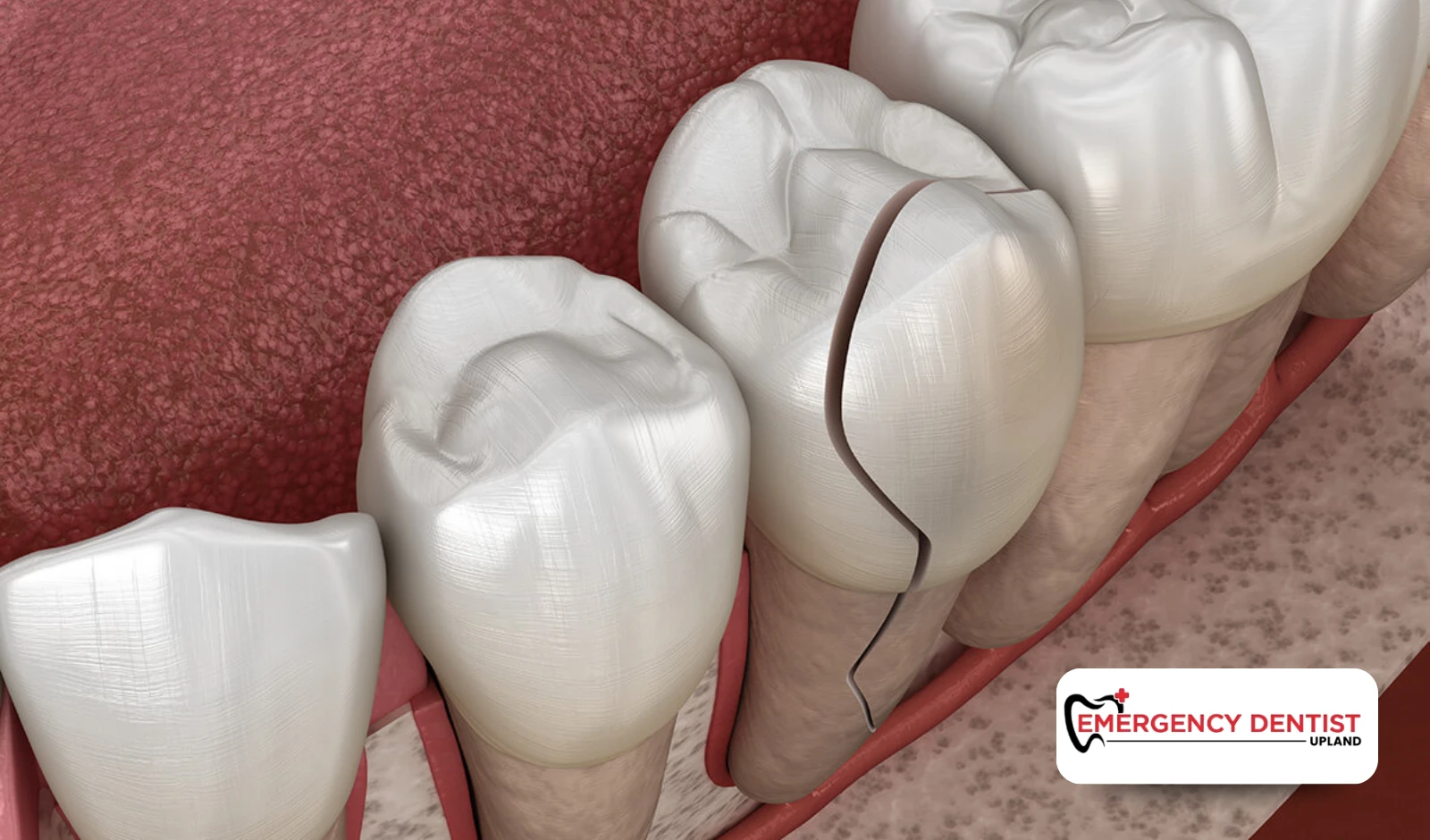
2. Cracked Tooth
A cracked tooth may cause discomfort when pressure is applied during chewing. The pain may improve once pressure is removed, but the crack itself can worsen over time if left untreated.
3. Gum Disease
Early gum disease may lead to mild gum irritation, tenderness, or bleeding. Without proper treatment, it can affect the tissues supporting the teeth and negatively impact overall oral health.
4. Sinus Infection
A sinus infection can create pressure in the upper jaw and teeth, producing discomfort that feels similar to tooth pain. Symptoms may shift depending on movement or head position.
When It May Be a Dental Emergency

Even if discomfort comes and goes, it may still indicate a dental emergency. Seek professional evaluation if you experience:
- Increasing discomfort over time
- Sensitivity to hot temperatures or cold foods
- Swelling in the gums or face
- Persistent discomfort while chewing
- A bad taste or odor in the mouth
These symptoms may indicate infection or advanced damage that requires prompt treatment.
The good news is that early evaluation often helps prevent more serious complications and improves treatment outcomes.
Treatment Options for Relief
Treatment depends on the source of your symptoms. A dentist may recommend:
- Fillings for early decay
- Root canal therapy or root canal treatment may be used to remove infection and preserve the natural tooth
When dental conditions are left untreated, they may continue progressing and lead to more extensive damage. Early dental care often improves the likelihood of protecting the natural tooth and avoiding additional complications.
Why Early Dental Care Matters
When symptoms temporarily improve, many people assume the issue has resolved. However, delaying treatment may allow the condition to worsen beneath the surface.
Prompt dental care helps protect your oral health and lowers the risk of complications. In many situations, early treatment results in simpler and more effective procedures.
Final Thoughts
Tooth discomfort that comes and goes should not be ignored. Even if symptoms temporarily improve, there may still be an underlying condition that requires professional attention. Paying attention to early warning signs can help prevent more serious dental problems later.
Get Trusted Dental Care in Upland
Recurring tooth discomfort can interfere with daily life and may become more serious over time. Our team provides comprehensive evaluations and personalized treatment plans focused on identifying the source of your symptoms and restoring comfort. Visit an Emergency Dentist in Upland for professional care designed to protect your smile and support lasting oral health.
Frequently Asked Questions
Why does my tooth pain improve and then return?
This may happen when irritation inside the tooth temporarily settles. However, the underlying condition may still be present and continue progressing.
Can a sinus infection create tooth pain?
Yes. A sinus infection can place pressure on the upper teeth and jaw, causing discomfort that feels similar to dental pain.
Should I see a dentist even if the pain stopped?
Yes. Even when symptoms improve, the underlying dental issue may still require professional treatment.