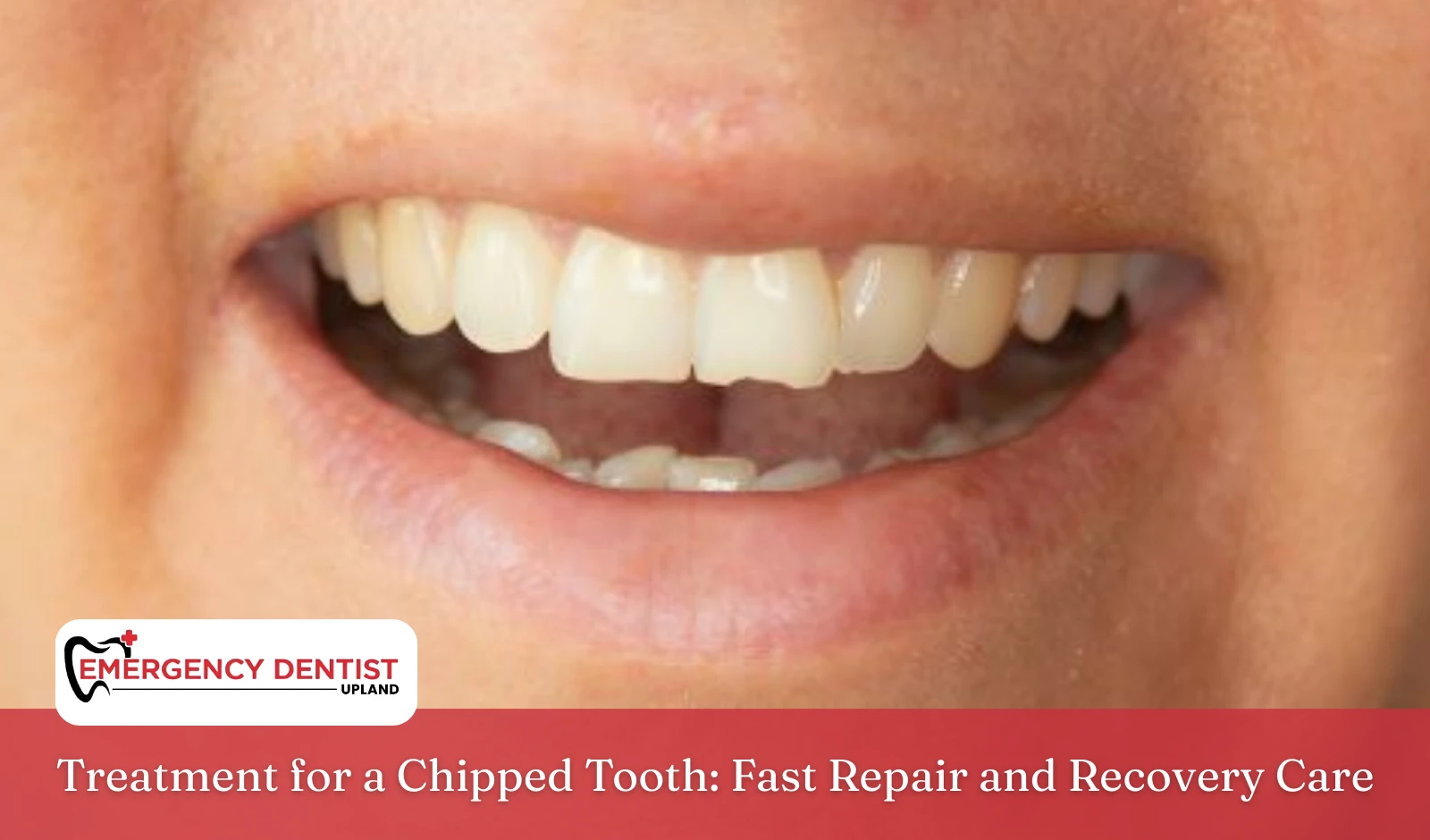
Treatment for a Chipped Tooth: Fast Repair and Recovery Care
Quick Answer
What is the recommended treatment for a chipped tooth?
The right treatment for a chipped tooth depends on how much of the tooth is damaged. Minor chips may be repaired with dental bonding, while deeper fractures could require dental veneers, a dental crown, root canals, or even a dental implant. Early care helps preserve the natural tooth and prevent further damage.
Key Takeaways
- Chipped teeth can worsen even when pain is mild or absent.
- A jagged edge or sharp edge may irritate soft tissues and increase infection risk.
- Options for treatment for a chipped tooth range from bonding to crowns and implants.
- Prompt care helps protect the natural tooth and restore comfort.
- Simple protective habits can reduce future chips or cracks.
A chipped tooth can occur without warning. Biting hard foods, a sports injury, or nighttime grinding can damage the surface of the tooth and create discomfort. While the damage may appear small, untreated fractures can lead to sensitivity, structural weakness, and infection.
Knowing when to seek treatment for a chipped tooth helps prevent complications and keeps your smile healthy. Whether you chip a tooth slightly or lose a larger part of the tooth, professional evaluation plays an important role in recovery.
What Causes Chipped Teeth?
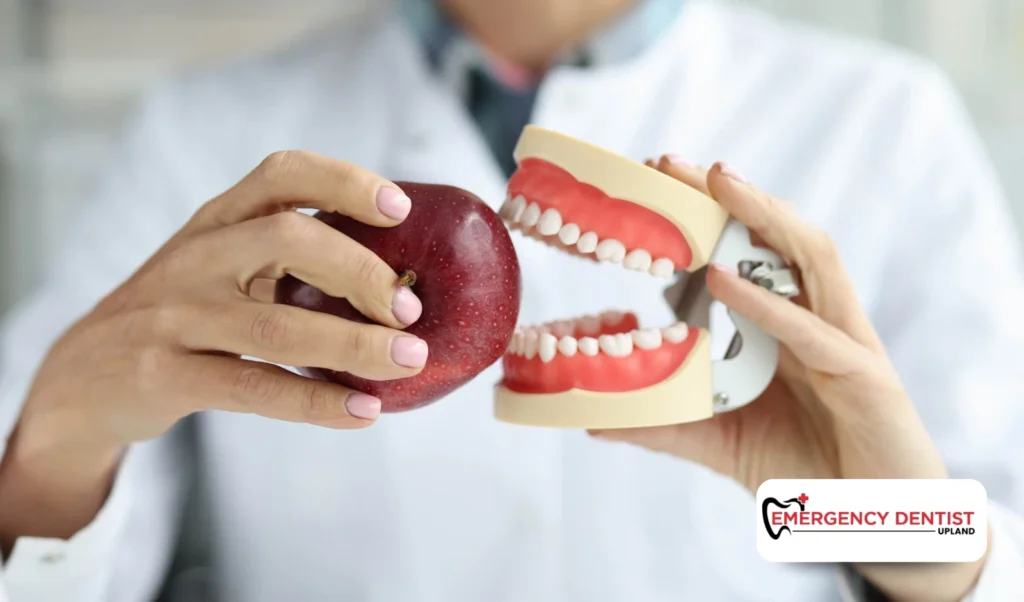
Although teeth are strong, they are not indestructible. Damage usually occurs when force is applied to a weakened area.
Common causes of chipped teeth include:
- Biting hard foods such as ice, nuts, or candy
- Falls or facial trauma
- Teeth grinding or clenching
- Tooth decay weakening enamel
- Using teeth to tear packaging
After you chip a tooth, the remaining structure may feel rough. A sharp edge can irritate the tongue and cheeks, while deeper chips or cracks may expose sensitive layers and cause pain.
Early care helps prevent further damage and supports long-term oral health.
Is a Chipped Tooth an Urgent Concern?
Not every chip causes immediate discomfort, but many still require prompt attention. Damage affecting deeper layers increases the risk of infection and structural breakdown.
You should seek dental care if you experience:
- Sensitivity to hot, cold, or pressure
- Gum irritation or swelling
- A noticeable jagged edge
- Pain when chewing
- Cosmetic concerns affecting confidence
Timely treatment for a chipped tooth improves comfort and increases the chance of preserving the natural tooth.
Best Treatment for Chipped Front Tooth
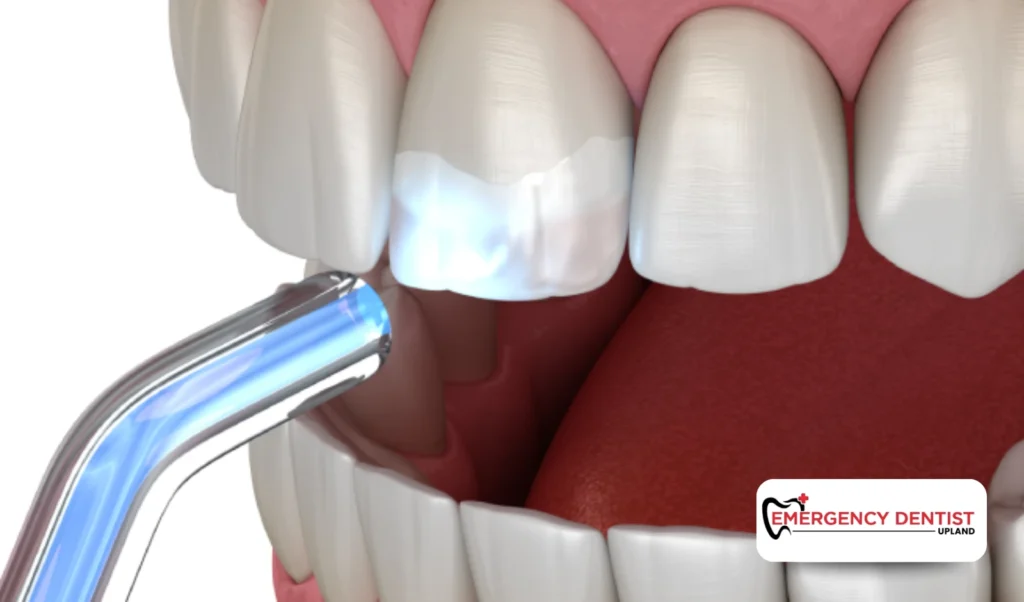
Front teeth are essential for appearance and speech. Because they are highly visible, the best treatment for chipped front tooth concerns focuses on restoring both strength and aesthetics.
Dental Bonding: For minor chips, dentists often recommend dental bonding. A tooth colored resin is applied, shaped, and hardened to blend with the surrounding enamel. This quick procedure is effective for small chips and usually completed in one visit.
Dental Veneers: When cosmetic improvement is a priority, dental veneers may be suggested. Veneers cover the front portion of the tooth, creating a smooth, natural-looking surface while protecting weakened enamel.
Dental Crown: If a large part of the tooth is damaged, a dental crown may provide the best support. Crowns strengthen the tooth and reduce the risk of additional fractures.
Selecting the appropriate treatment for chipped front tooth situations depends on the severity of the fracture and cosmetic goals.
Treatment for a Chipped Tooth in Severe Cases
Some fractures extend beyond enamel and require advanced treatment.
Root Canals: When the pulp becomes inflamed or infected, root canals may be necessary. This procedure removes damaged tissue and seals the tooth to prevent infection, often followed by crown placement.
Dental Implant: If the tooth cannot be saved, extraction followed by a dental implant may be recommended. Implants restore function while protecting surrounding teeth and bone structure.
A dental exam helps determine the most effective treatment for a chipped tooth based on symptoms and structural damage.
Temporary Care Before Professional Treatment
If you cannot see a dentist immediately, certain steps can help protect the tooth while repairing a chipped tooth is planned.
Helpful tips include:
- Rinse with warm salt water to reduce bacteria
- Apply dental wax over a sharp edge to prevent irritation
- Take over-the-counter pain relievers if needed
- Avoid chewing on the damaged side
- Choose soft foods to reduce pressure
These measures provide short-term comfort but do not replace professional care.
How Dentists Fix a Chipped Tooth
When you visit the dentist, the evaluation focuses on how much of the surface of the tooth and internal structure is affected.
The process to fix a chipped tooth may involve:
- Smoothing rough enamel for very minor chips
- Rebuilding structure with bonding materials
- Placing veneers or crowns for added durability
- Performing root canal therapy when nerves are involved
Preventing Future Tooth Damage
Preventive care can significantly reduce the likelihood of future fractures.
Helpful strategies include:
- Wearing a mouthguard during sports
- Using a nightguard if you grind your teeth
- Avoiding chewing hard objects
- Treating cavities early to maintain strength
- Seeking prompt care for small chips
Addressing minor chips early often prevents larger fractures and simplifies treatment.
Final Thoughts
A chipped tooth should never be ignored, even when discomfort is minimal. Prompt treatment helps protect the natural tooth, prevent further damage, and restore both comfort and appearance. Seeking professional care early makes repairing a chipped tooth simpler, more effective, and better for your long-term oral health.
Protect Your Tooth Before the Damage Progresses
Even small damage can become more serious over time. If you notice chipped teeth, sensitivity, or a rough jagged edge, early evaluation can help preserve your smile and reduce discomfort.
An Emergency Dentist in Upland offers prompt care to fix a chipped tooth, restore strength, and improve appearance. Whether you need bonding, veneers, crowns, or advanced treatment, timely care supports long-term comfort and confidence.
Schedule your dental visit today and take the next step toward protecting your smile.
Frequently Asked Questions
I chipped my tooth but it didn't hurt. Should I still see a dentist?
Yes. Even painless small chips can worsen or lead to sensitivity later. A dental exam helps determine the best treatment for a chipped tooth before complications develop.
Can I temporarily cover a sharp chipped tooth at home?
You can place dental wax over the sharp edge and avoid chewing on that side until professional care is available.
Will fixing a chipped tooth look natural?
Most treatments, especially dental bonding and veneers, use materials designed to match natural enamel, allowing your repaired tooth to blend seamlessly with your smile.

ABOUT THE AUTHOR
Dr. Taylor Nielsen, DMD
Co-Founder of Emergency Dentist Huntington Beach, Upland, & More
Dr. Taylor Nielsen, DMD, earned his dental degree from Oregon Health & Science University after graduating with honors from Brigham Young University–Idaho. With over 1,000 hours of volunteer dental service, he is committed to providing high-quality, comfortable, and personalized care for every patient.