
Quick Answer
Can urgent care help with tooth pain?
Yes, urgent care centers may help manage swelling, discomfort, or signs of a tooth infection. Providers may prescribe antibiotics, recommend pain medication, or suggest temporary care instructions. However, most urgent care clinics do not perform dental procedures, so many patients still need emergency dental care from an emergency dentist.
Key Takeaways
- Tooth pain may develop from infection, decay, or tooth damage
- Urgent care centers may temporarily lower swelling or discomfort
- A chipped tooth or badly cracked tooth may worsen without treatment
- Emergency dental care treats the underlying problem
- Early treatment may help protect oral health
Tooth pain can quickly become hard to ignore. Some people notice mild soreness while eating, while others develop severe pain that spreads into the jaw, ear, or face. Because of this, many people search online asking, “can I go to urgent care for tooth pain” or “can urgent care help with tooth pain?”
The answer depends on how serious the symptoms are and what kind of treatment is needed. Urgent care centers may help reduce discomfort, but they usually cannot fully treat dental problems. Knowing when to seek emergency dental care may help keep the problem from getting worse.
What Can Cause Tooth Pain?
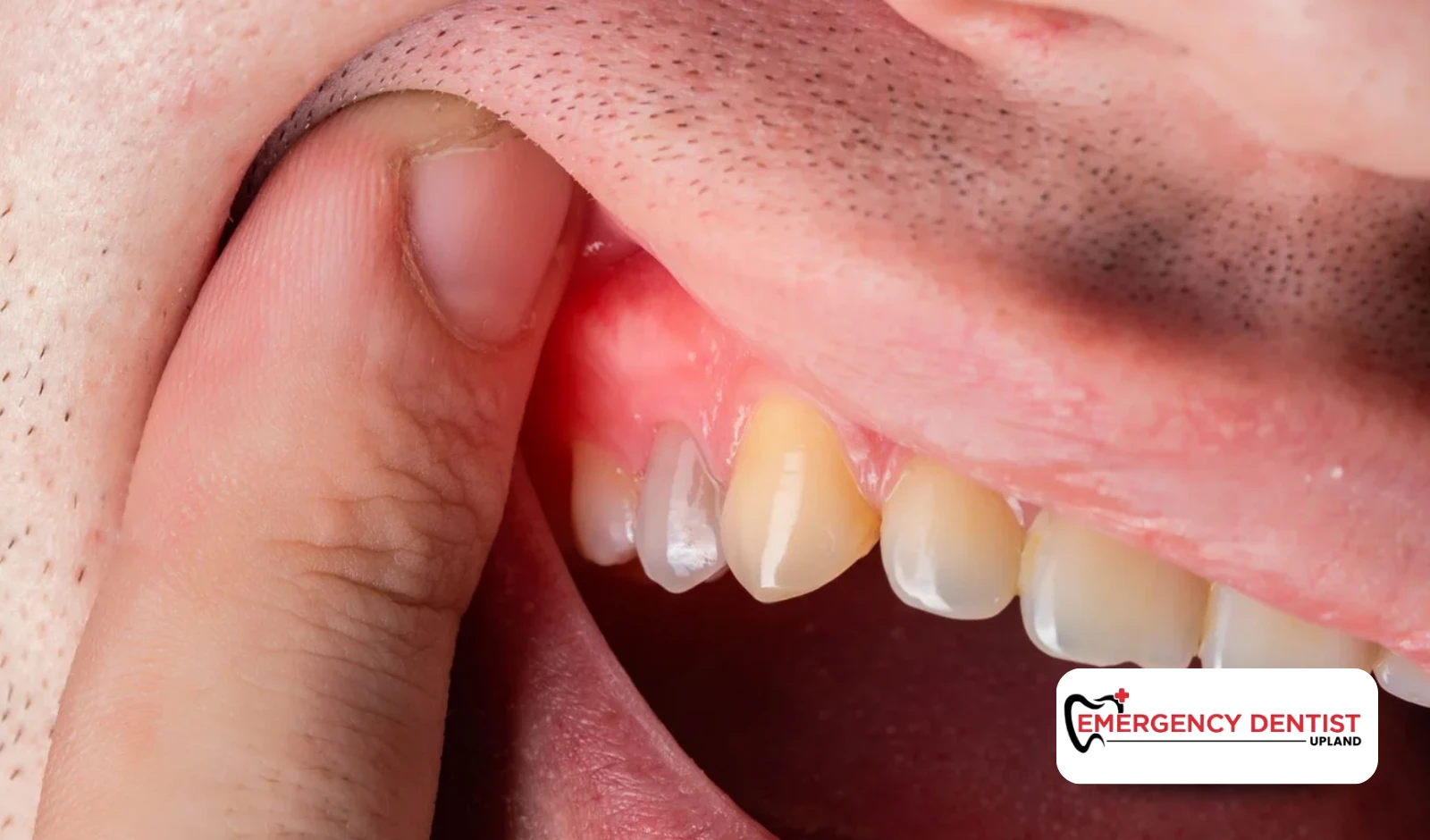
Many dental problems may lead to tooth pain. Cavities, gum disease, infections, wisdom teeth, and damaged dental work are common causes. A chipped tooth, broken tooth, or badly cracked tooth may expose sensitive areas inside the tooth and make chewing painful.
A tooth infection may also cause swelling, pressure, or tenderness near the gums. Without treatment, the infection may continue spreading and affect oral health.
Can Urgent Care Help With Tooth Pain?
Many patients visit urgent care centers when symptoms become severe or dental offices are closed. Although urgent care clinics usually do not perform dental procedures, they may still help manage certain symptoms.
Urgent care providers may:
- Check for fever or swelling
- Prescribe antibiotics for infection
- Recommend pain medication
- Suggest a counter pain reliever
- Refer patients to an emergency dentist
Some patients visit the nearest emergency room if they develop severe swelling, fever, or trouble breathing. However, an emergency dentist is usually the better option for treating the actual dental issue.
Temporary treatment may reduce discomfort, but it usually does not treat the underlying dental problem. Infection, nerve damage, or a broken tooth still require professional dental treatment.
When Should You Visit an Emergency Dentist?
Some symptoms should not be ignored.
Severe Tooth Pain
Severe or ongoing tooth pain may point to infection or damage inside the tooth.
Swelling in the Face or Gums
Swelling may be a sign of a spreading tooth infection that needs prompt treatment.
Chipped or Broken Teeth
A chipped tooth or badly cracked tooth may get worse over time and increase the risk of infection.
Knocked Out Tooth
A knocked out tooth needs emergency dental care immediately. Quick treatment may improve the chance of saving the tooth. If possible, hold it by the crown and avoid touching the root. You may gently remove any attached tissue and rinse the tooth carefully with warm water before seeking care.
Tooth Infection
A tooth infection may cause swelling, fever, pus, or severe discomfort if not treated quickly.
What You Can Do Before Your Appointment
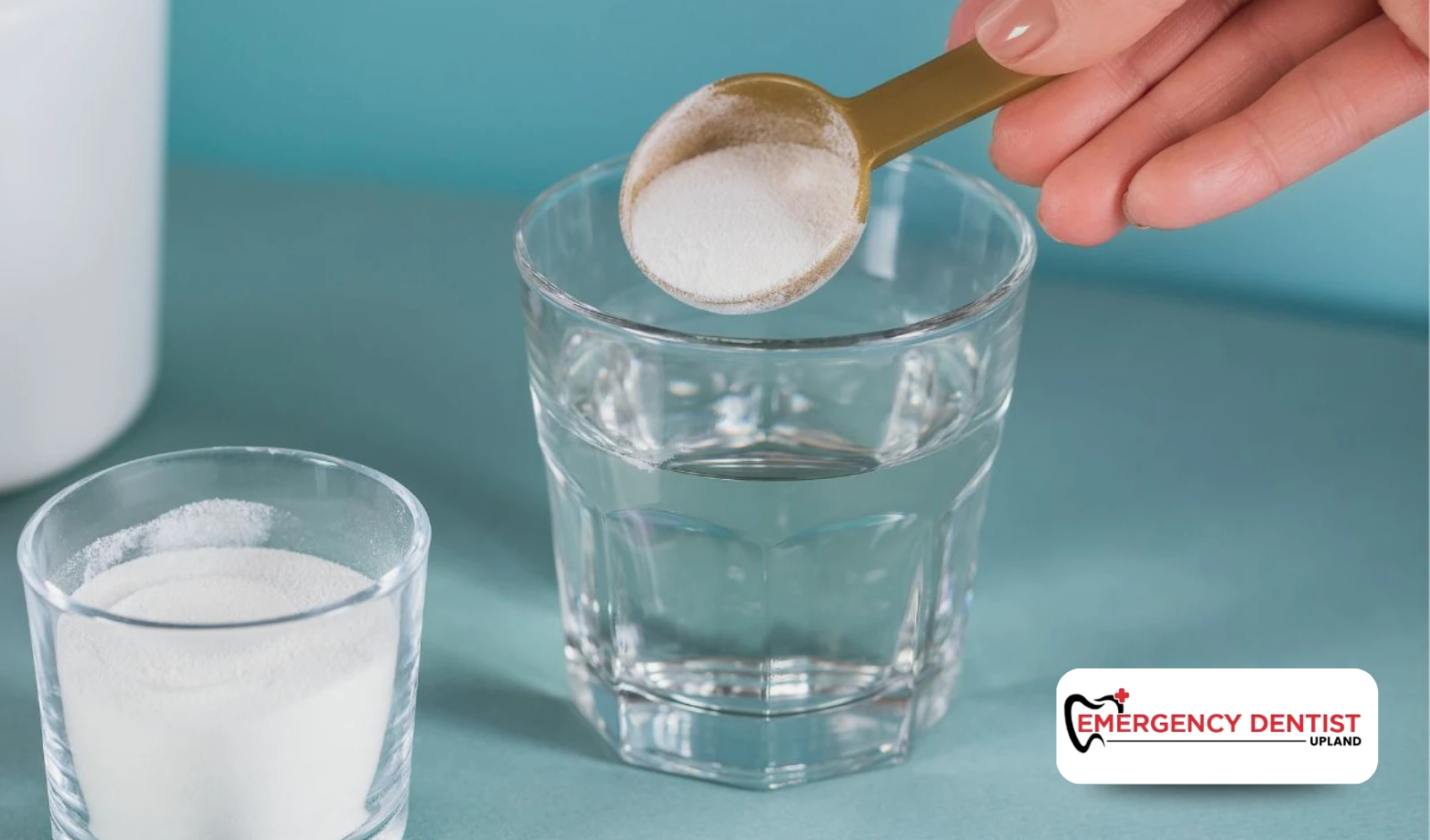
Home care may help lower discomfort while waiting for treatment.
Use a Cold Compress
A cold compress may help reduce swelling and numb the painful area temporarily.
Rinse With Warm Water
Rinsing with warm water may help clean the mouth and soothe irritated tissues.
Use Pain Relief Carefully
Some patients use pain medication or a counter pain reliever before treatment. Always follow directions carefully and avoid placing medication directly on the gums.
If symptoms worsen, swelling spreads, or fever develops, call your dentist immediately.
Final Thoughts
Many people ask, “can you go to urgent care for tooth pain” because they want fast relief. Urgent care centers may temporarily help manage swelling or discomfort, but they usually cannot fully treat dental problems.
An emergency dentist can identify the source of tooth pain and recommend proper treatment before the issue becomes more serious.
Emergency Dental Help When Pain Starts Suddenly
Dental pain and swelling can quickly become harder to manage without treatment. Emergency Dentist in Upland provides care for tooth infections, broken teeth, swelling, and other urgent dental concerns.
Whether you are dealing with a chipped tooth, severe discomfort, or a dental injury, our team is ready to help you receive prompt emergency dental care. Contact an Emergency Dentist in Upland today to schedule an emergency appointment.
Frequently Asked Questions
Can urgent care centers prescribe antibiotics for a tooth infection?
Yes, urgent care centers may prescribe antibiotics or temporary pain medication, but patients still need dental treatment to fully treat the issue.
Should I go to the nearest emergency room for tooth pain?
Some patients visit the nearest emergency room if they have severe swelling, fever, or trouble breathing. However, an emergency dentist is usually the best option for dental problems.
What should I do if I have a knocked out tooth?
Try to hold it by the crown, avoid touching the root, and gently remove any attached tissue before seeking emergency dental care immediately.