Quick Answer
How long to keep gauze in after wisdom tooth extraction?
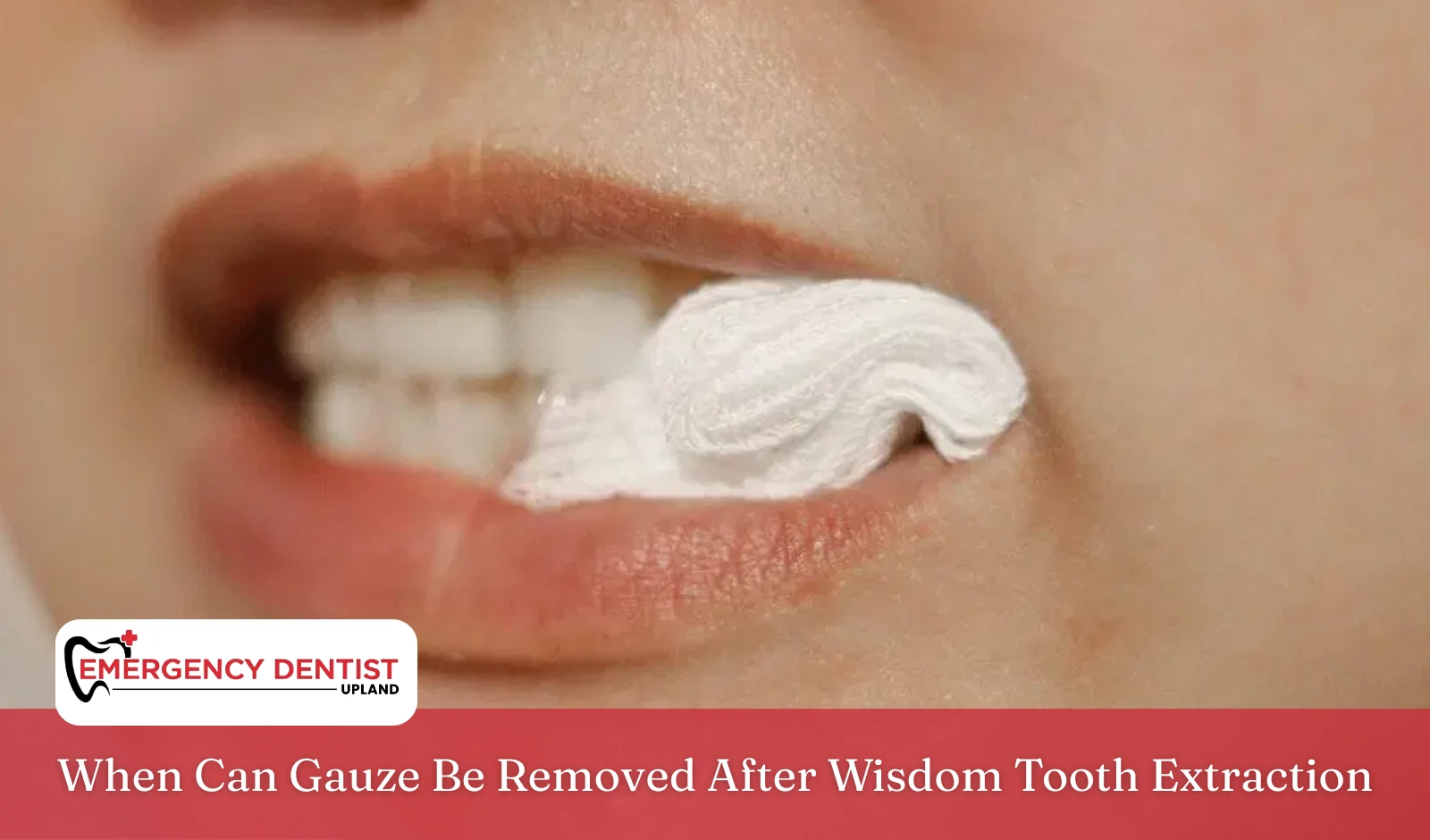
After your wisdom teeth are removed, place a gauze pad over the extraction site and bite down gently for 30 to 45 minutes. If bleeding continues, remove it and replace the gauze with fresh gauze every hour after surgery until bleeding slows and a clot forms.
Key Takeaways
- Keep gauze in place for 30 to 45 minutes
- Use fresh gauze if bleeding continues
- Rest with your head elevated
- Avoid physical activities during the first 24 hours
- Call a dentist if you notice heavy bleeding
After wisdom tooth extraction, your body starts the healing process right away. The space left behind is called the extraction site, and it needs protection during the first few hours after surgery.
A gauze pad helps control bleeding. When you bite down gently, it creates light pressure over the area. This pressure helps a clot form inside the socket. The clot protects the bone and nerves underneath and allows your gums to begin healing.
If the clot is disturbed too early, recovery can slow down. That is why dentists give detailed post operative instructions about when and how to use gauze.
In this guide, we will explain how long to keep gauze in after wisdom tooth extraction, when to stop using it, and what to do if bleeding continues.
How Long to Keep Gauze in After Wisdom Tooth Extraction

Understanding how long to keep gauze in after wisdom tooth extraction helps reduce worry after surgery.
Most dentists recommend leaving gauze in place for 30 to 45 minutes immediately after the procedure. During that time:
- Bite down gently but firmly
- Keep your head elevated
- Avoid talking too much
- Do not chew on the gauze
After 30 to 45 minutes, carefully remove the gauze and look at the area. If you still see bleeding, use fresh gauze and repeat the process. Many patients need to replace the gauze a few times during the first several hours after surgery.
It is normal to notice light bleeding or pink saliva. Bleeding should slowly decrease as the clot becomes stronger.
When to Stop Using Gauze After Wisdom Tooth Extraction
Many patients ask when to stop using gauze after wisdom tooth extraction.
In most cases, gauze is no longer necessary once:
- Bleeding slows to light spotting
- The gauze is not soaked
- The area feels stable
For most people, gauze is not required later the same day. By 24 hours, only mild oozing may remain, and steady pressure is usually unnecessary.
If bleeding continues while eating or speaking, you can briefly use fresh gauze again.
What to Do if Bleeding Continues

Some bleeding is normal after oral surgery, but if it becomes heavier, take these steps:
- Replace the Gauze: Remove the old gauze and apply fresh gauze. Bite down gently for another 30 to 45 minutes.
- Keep Your Head Elevated: Resting with your head elevated helps reduce blood flow to the mouth and control bleeding.
- Use an Ice Pack:Apply an ice pack to your cheek for 15–20 minutes at a time. This helps reduce swelling and may slow bleeding.
- Avoid Physical Activities: Strenuous movement can cause heavy bleeding. Avoid bending, lifting, or exercise for at least 24 hours.
If heavy bleeding does not improve after several attempts, contact a dental professional.
Post Operative Care for Healthy Healing

Following proper post operative instructions after your wisdom teeth are removed supports smooth recovery.
- Rinse with Warm Salt Water: After the first day, gently rinse your mouth with warm salt water. This helps clean the area and supports the healing process. Avoid forceful rinsing.
- Maintain Oral Hygiene: Good oral hygiene reduces the risk of infection. Brush gently and avoid touching the extraction site directly.
- Follow Medication Directions: If your dentist prescribed pain medication, take it exactly as directed to manage swelling and discomfort.
Eating After Wisdom Tooth Extraction
Your diet plays an important role in comfort and healing.
During the first few days, focus on soft foods such as:
- Mashed potatoes
- Yogurt
- Smooth soups
- Applesauce
- Scrambled eggs
Soft foods are gentle and help protect the extraction site.
As you improve in the days after surgery, you can slowly return to normal meals. Avoid crunchy, hard, or sticky foods until healing progresses.
When to Call an Emergency Dentist
While mild bleeding is common, seek care if you notice:
- Heavy bleeding that does not slow
- Large clots forming outside the socket
- Severe swelling
- Fever
- Pain that worsens instead of improving
Early care can prevent complications and protect the healing site.
Conclusion
Knowing how long to keep gauze in after wisdom tooth extraction makes recovery easier to manage. Most patients use gauze for short periods of 30 to 45 minutes, changing to fresh gauze during the first hours after surgery if needed. Keeping your head elevated, avoiding physical activities, and following simple post operative instructions all support a healthy healing process. With gentle care and patience, recovery after having your wisdom teeth removed is usually smooth and manageable.
Upland Wisdom Tooth Recovery Guidance
If bleeding continues, swelling increases, or something feels unusual after your wisdom tooth extraction, support is available. Emergency Dentist in Upland provides careful post-surgical evaluations and clear recovery instructions. Early attention can help control bleeding, protect the extraction site, and give you confidence during healing.
Frequently Asked Questions
Can I sleep with gauze in my mouth?
It is usually best to remove gauze before sleeping to avoid choking and allow the clot to settle.
Why does bleeding slow when I sit upright?
Keeping your head elevated reduces pressure in the area and helps control bleeding.
Is light bleeding normal the next day?
Yes. Mild spotting can occur during the first 24 hours after surgery.

ABOUT THE AUTHOR
Dr. Taylor Nielsen, DMD
Co-Founder of Emergency Dentist Huntington Beach, Upland, & More
Dr. Taylor Nielsen, DMD, earned his dental degree from Oregon Health & Science University after graduating with honors from Brigham Young University–Idaho. With over 1,000 hours of volunteer dental service, he is committed to providing high-quality, comfortable, and personalized care for every patient.