
What Causes Tooth Pain? Signs, Relief, and Care
Quick Answer
What causes tooth pain?
Tooth pain causes include cavities, infection, gum disease, cracked teeth, tooth sensitivity, and even gum recession. While medication can offer temporary pain relief, lasting comfort requires professional treatment of the underlying issue.
Key Takeaways
- The most common causes of tooth pain include decay, infection, and receding gums.
- Tooth pain symptoms like swelling, bleeding gums, or fever may signal a tooth abscess or dental abscess.
- Ibuprofen and acetaminophen can provide short-term pain relief.
- Home remedies may ease discomfort but do not cure tooth infection pain.
- Early stage care helps prevent bone loss and long-term damage.
Tooth discomfort can appear without warning. It may feel sharp when biting, throb constantly, or worsen at night. Dental pain can affect sleep, eating, and daily routines. Understanding what causes tooth pain helps you decide how to respond and when to seek care in Upland.
Common Tooth Pain Causes
Many patients ask about the causes of tooth pain when symptoms suddenly appear. Several dental conditions may be responsible.
Tooth Decay and Cavities
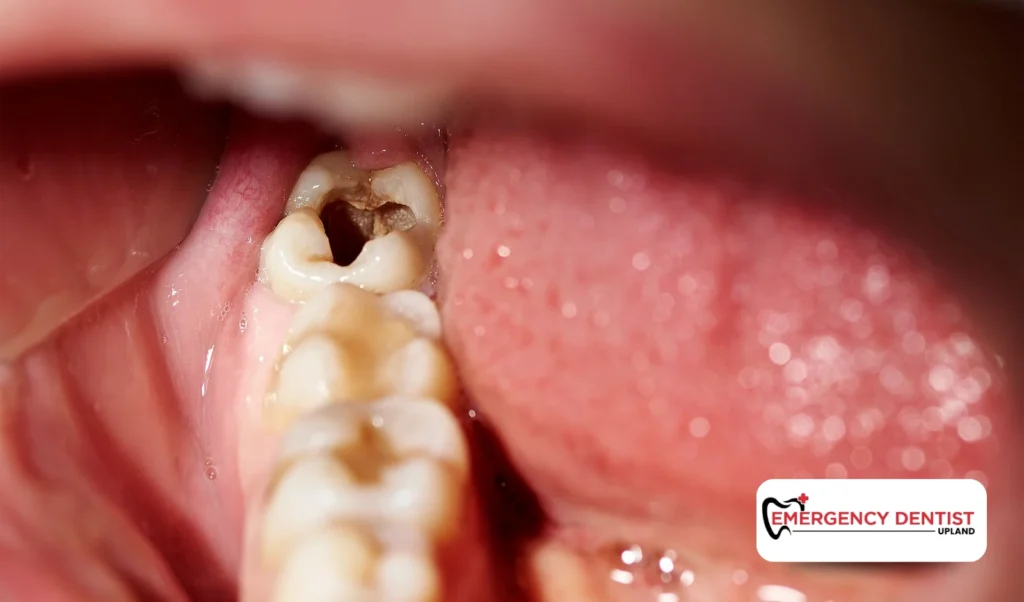
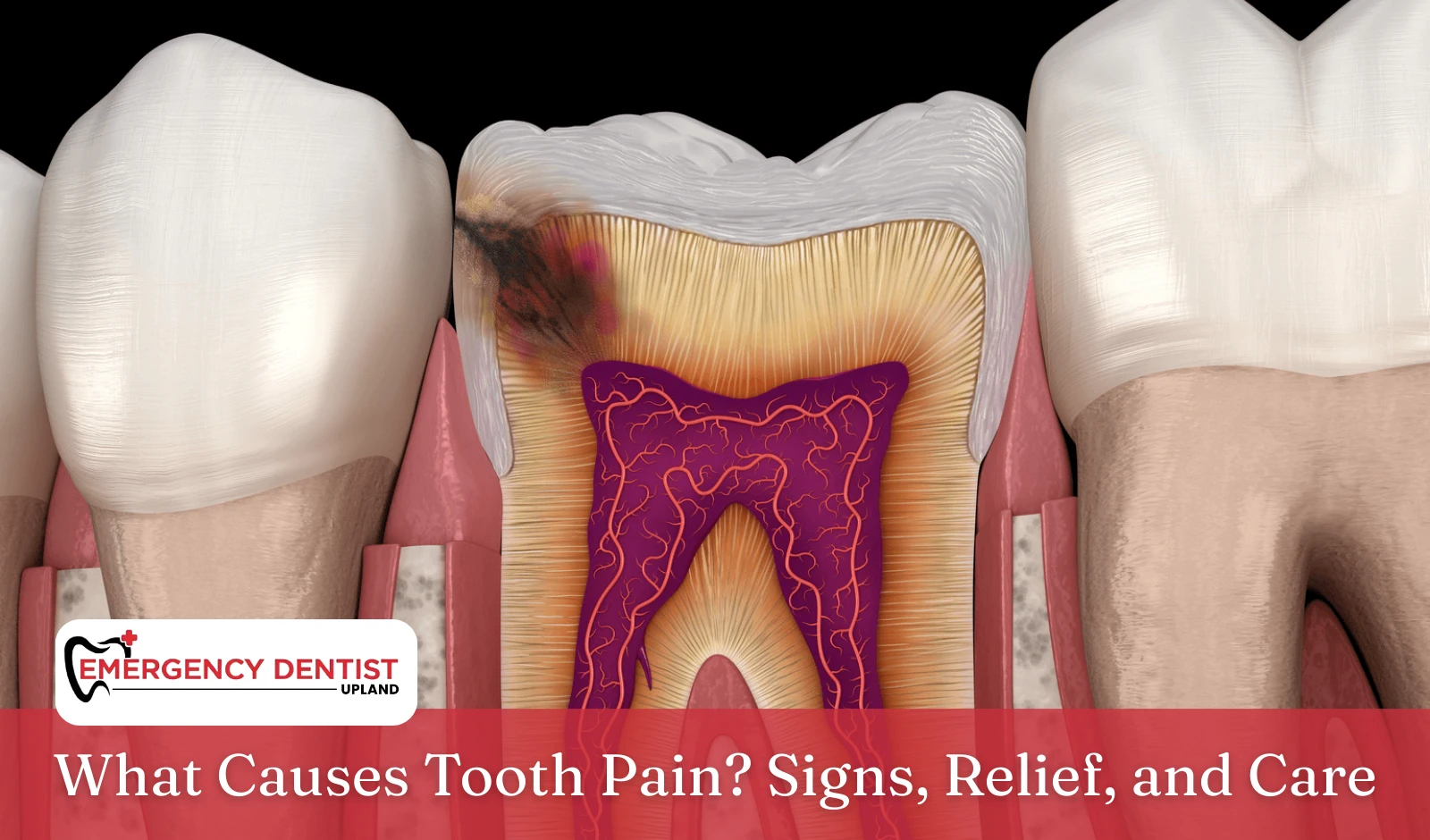
Tooth decay pain develops when bacteria break down tooth enamel. Over time, this damage creates cavities that can lead to tooth cavity pain. If you notice a hole in tooth pain when chewing or sensitivity to sweets, decay may be present.
Without treatment, the cavity can reach deeper layers, triggering tooth infection pain. Poor oral hygiene, sugary snacks, and dry mouth increase the risk. Protect your teeth and gums by brushing your teeth at least two times a day and flossing daily.
Gum Disease and Gum Recession
Gum pain by tooth can be linked to gum disease and tooth pain occurring together. In the early stage, you may notice bleeding gums during brushing. As the condition worsens, gum recession or receding gums can expose sensitive roots.
This exposure often leads to tooth sensitivity and cold and tooth pain. If untreated, infection may spread below the gumline, increasing the risk of bone loss and loose tooth pain.
Tooth Infection and Abscess
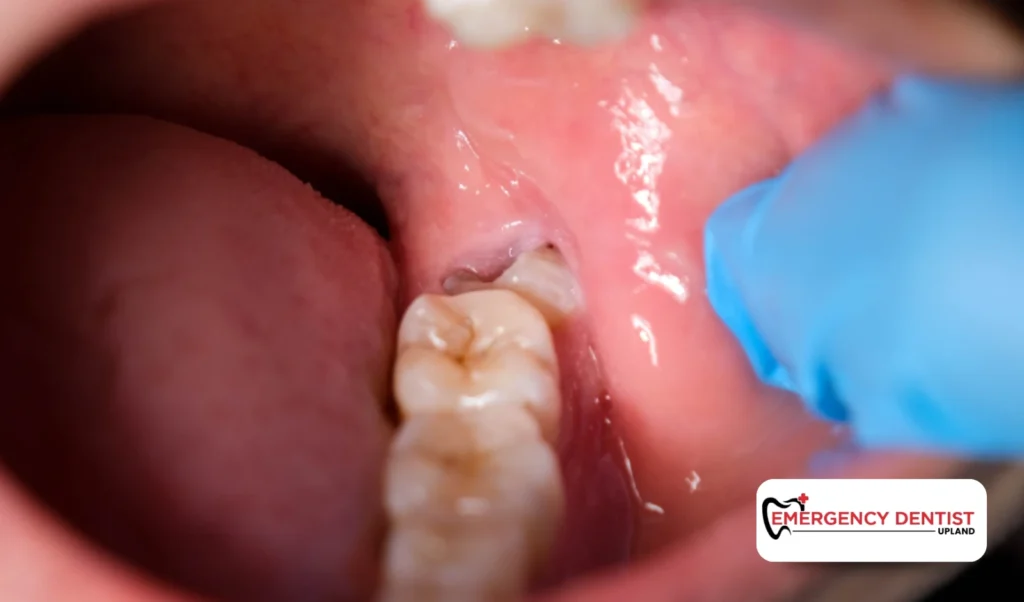
One of the most serious tooth pain causes is infection. A bacterial infection inside the tooth can form a tooth abscess or dental abscess. Abscess tooth pain is typically intense and throbbing.
Other tooth pain symptoms may include:
- Swelling in the jaw or face
- Fever
- A persistent bad taste
- Difficulty biting or chewing
A tooth abscess requires urgent care. Delaying treatment can allow infection to spread and damage surrounding tissue.
Cracks, Injury, or Damage
A fractured or chipped tooth can cause sharp discomfort, especially when chewing. Cold and tooth pain are common with cracked teeth. Even minor damage may allow bacteria to enter and cause infection.
Over-the-Counter Pain Relief Options
If discomfort starts suddenly, medication can help manage dental pain until you can visit your dentist.
Ibuprofen: Ibuprofen reduces inflammation and swelling. It is often recommended for gum disease and tooth pain or injury-related discomfort.
Acetaminophen: Acetaminophen blocks pain signals in the brain. It can help relieve tooth decay pain when inflammation is not severe.
Some providers recommend alternating both for better pain relief, but follow instructions carefully.
Prescription Treatment Options
When pain is severe, prescription medication may be necessary. Antibiotics are often prescribed to treat a dental abscess. In some cases, stronger short-term pain medication may also be used.
However, medication alone does not resolve the root cause. Proper treatment options must address the source of infection or damage.
Home Remedies for Temporary Comfort
If you cannot immediately schedule an appointment, certain home remedies may ease discomfort:
- Rinse with warm saltwater
- Apply a cold compress to reduce swelling
- Use clove oil cautiously
- Sleep with your head slightly elevated
While these methods provide short-term pain relief, they do not replace professional evaluation.
When to Seek Dental Care
If pain lasts more than two days, or if you notice swelling, bleeding gums, loose tooth pain, or fever, seek care promptly.
Treatment options may include:
- Fillings to repair cavities
- Deep cleaning for gum disease
- Root canal therapy for infection
- Tooth extraction if damage is severe
Early visits to your dentist help treat issues before they progress. Addressing gum recession or decay in the early stage reduces the risk of bone loss and protects long-term oral health.
Protecting Your Teeth and Gums
Preventing dental pain starts with strong habits. Brush your teeth at least two times a day, floss daily, and attend regular dental visits. Limiting sugar and staying hydrated helps prevent dry mouth and enamel damage.
Consistent care supports healthy teeth and gums and reduces the risk of infection linked to poor oral hygiene.
Final Thoughts
Tooth pain is not something to ignore. Whether caused by decay, infection, or gum recession, symptoms often signal that attention is needed. Identifying what causes tooth pain allows you to act early and protect your smile from serious complications.
Don’t Let Tooth Pain Take Control
Temporary relief is helpful, but lasting results require professional care. If you are experiencing persistent dental pain, swelling, or signs of infection, it is time to take action.
Contact an Emergency Dentist in Upland for prompt evaluation and compassionate treatment. Schedule an appointment today to restore comfort and safeguard your oral health.
Frequently Asked Questions
Why do I have tooth sensitivity all of a sudden?
Sudden tooth sensitivity may be caused by enamel wear, gum recession, or a developing cavity.
Could bleeding gums really cause dental pain?
Yes. Bleeding gums may signal gum disease and tooth pain, especially if infection is present.
How can I tell if I have a tooth abscess?
Severe throbbing pain, swelling, fever, or a bad taste may indicate a tooth abscess. Seek immediate dental care.

ABOUT THE AUTHOR
Dr. Taylor Nielsen, DMD
Co-Founder of Emergency Dentist Huntington Beach, Upland, & More
Dr. Taylor Nielsen, DMD, earned his dental degree from Oregon Health & Science University after graduating with honors from Brigham Young University–Idaho. With over 1,000 hours of volunteer dental service, he is committed to providing high-quality, comfortable, and personalized care for every patient.