
Tooth Pain Explained: Signs You Shouldn’t Ignore
Quick Answer
What is tooth pain trying to tell you?
Dental pain is usually a warning sign of a dental problem such as tooth decay, infection, inflammation, or a cracked tooth. The location and intensity of the discomfort often reveal what kind of treatment options may be needed.
Key Takeaways
- Front tooth pain and back tooth pain can point to different dental issues.
- Molar tooth pain often involves deep decay or grinding pressure.
- Gum and tooth pain together may signal infection in the gum tissue.
- Tooth pain in jaw areas can sometimes relate to sinus infection or clenching.
- Dental pain left untreated may worsen and affect overall oral health.
- Early dental care helps relieve pain and prevent serious complications.
Tooth discomfort rarely appears without a reason. Whether you notice a quick sting while brushing or constant throbbing pain that keeps you awake, your body is alerting you to a possible dental problem. Pain may stay in one tooth or spread across the affected area, including the jaw or gums.
At Emergency Dentist in Upland, many patients ask what different types of dental pain really mean and when they should call your dentist. Understanding the source of discomfort can help protect your smile and prevent long-term dental issues.
Front Tooth Pain
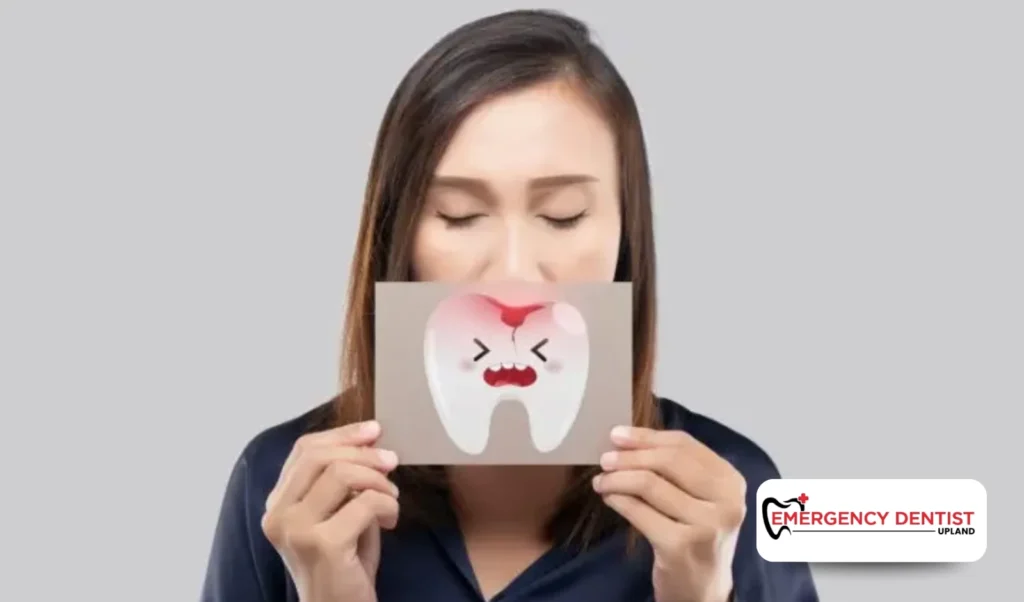
Front tooth pain often feels sharp and immediate. These teeth are thinner and more exposed, making them sensitive to damage. Common causes include:
- Early tooth decay weakening enamel
- A cracked tooth from trauma or biting hard foods
- Receding gum tissue exposing nerves
- Acid erosion from drinks or brushing too aggressively
- A developing tooth abscess at the root
Because nerves are closer to the surface, even small changes can cause noticeable dental pain. If left untreated, minor irritation may progress into infection or swelling in the affected area.
Back Tooth Pain and Molar Tooth Pain
Back tooth pain and molar tooth pain are common because molars handle the pressure of chewing. Their deep grooves easily trap bacteria, increasing the risk of tooth decay.
Pain in these teeth may result from:
- Cavities that have spread below the enamel
- Impacted or infected wisdom teeth
- A cracked tooth caused by heavy biting force
- Teeth grinding while you sleep
- Infection beneath the tooth surface
When you grind your teeth, repeated pressure can damage enamel and irritate nerves. Over time, this can cause fractures and persistent discomfort. Molar tooth pain may also feel like pressure or throbbing pain that radiates toward the jaw.
Prompt dental care helps relieve pain and stop further damage before more complex treatment options are needed.
Gum and Tooth Pain
Tooth gum pain often shows up as tenderness, redness, or swelling along the gum line. When gum and tooth pain occur together, both the tooth and surrounding gum tissue may be affected.
Possible causes include:
- Food trapped under the gums
- Irritation from brushing too firmly
- Bleeding gums linked to early gum disease
- A bacterial infection forming near the root
- A tooth abscess pressing against nearby tissue
Rinsing with warm water and salt can temporarily relieve pain and reduce swelling. However, if symptoms continue or worsen, it may signal a deeper dental problem. Infection left untreated can spread beyond the tooth and lead to more serious complications.
Tooth Pain in Jaw or Sinus Areas
Sometimes discomfort feels like it comes from the jaw rather than a specific tooth. Tooth pain in jaw regions can have several causes.
Common triggers include:
- A sinus infection placing pressure on upper molars
- Jaw joint inflammation
- Clenching during stress
- Referred pain from deep tooth decay
A sinus infection can create pressure that feels similar to molar tooth pain. If discomfort spreads toward your ear or temple or includes swelling, it is important to call your dentist for an evaluation.
Do Home Remedies Provide Pain Relief?

When dental pain begins, many people try to manage it at home. Warm water rinses, cold compresses, or natural oils may offer short-term pain relief. These steps can soothe inflammation in the affected area.
However, home methods do not correct the root cause. A cracked tooth, infection, or severe tooth decay requires professional treatment options. Delaying care can allow the problem to worsen and increase discomfort.
If pain lasts more than two days or keeps returning, a dental visit is the safest next step.
When to Seek Immediate Care
You should contact an Emergency Dentist in Upland if you experience:
- Persistent throbbing pain
- Swelling in the jaw, face, or gums
- Fever or unpleasant taste
- Bleeding gums that continue
- Pain when biting or chewing
- Sudden sensitivity that intensifies
These signs may indicate infection or advanced damage that requires urgent attention.
Final Thoughts
Preventing dental issues begins with daily habits. Brush gently twice a day, floss consistently, and limit sugary foods. If you grind your teeth, your dentist may recommend a night guard to protect enamel from excess pressure.
Regular checkups allow early detection of tooth decay and other concerns. Addressing small problems early keeps your oral health stable and reduces the risk of serious infection.
Take Action Before Pain Worsens
Tooth discomfort should never be ignored. Whether you are dealing with front tooth pain, back tooth pain, molar tooth pain, or tooth pain in jaw areas, professional evaluation provides answers and effective treatment options.
Emergency Dentist in Upland offers same-day evaluations focused on fast pain relief and restoring comfort. If dental pain is affecting your sleep, work, or daily routine, do not delay care.
Call now for same-day emergency evaluation and immediate pain relief.
Frequently Asked Questions
Why do I have throbbing pain even though I cannot see damage?
Pain may come from hidden tooth decay, a cracked tooth, or infection beneath the surface. An exam can identify the true cause.
Can grinding my teeth really cause back tooth pain?
Yes. When you grind your teeth, it weakens enamel and can lead to fractures or molar tooth pain over time.
Should I worry about bleeding gums and soreness together?
Bleeding gums combined with gum and tooth pain may signal gum disease or infection. It is best to have it checked before it worsens.

ABOUT THE AUTHOR
Dr. Taylor Nielsen, DMD
Co-Founder of Emergency Dentist Huntington Beach, Upland, & More
Dr. Taylor Nielsen, DMD, earned his dental degree from Oregon Health & Science University after graduating with honors from Brigham Young University–Idaho. With over 1,000 hours of volunteer dental service, he is committed to providing high-quality, comfortable, and personalized care for every patient.