
Best Medication for Tooth Pain: What to Take Now
Quick Answer
What is the best medication for tooth pain?
For many people, ibuprofen for tooth pain is one of the best first choices because it helps with reducing inflammation and discomfort at the source. In some situations, dentists may recommend using ibuprofen and acetaminophen together for stronger relief. The right medicine for tooth pain depends on your symptoms, medical history, and overall health conditions.
Key Takeaways
- The best medication for tooth pain depends on the cause.
- Ibuprofen reduces swelling and helps relieve pain.
- Acetaminophen Tylenol works by blocking pain signaling in the brain.
- Prescription tooth pain medication like tramadol may be used short term.
- Home options such as a saltwater rinse or clove oil offer temporary support.
- Pain medications ease symptoms but do not repair the affected tooth.
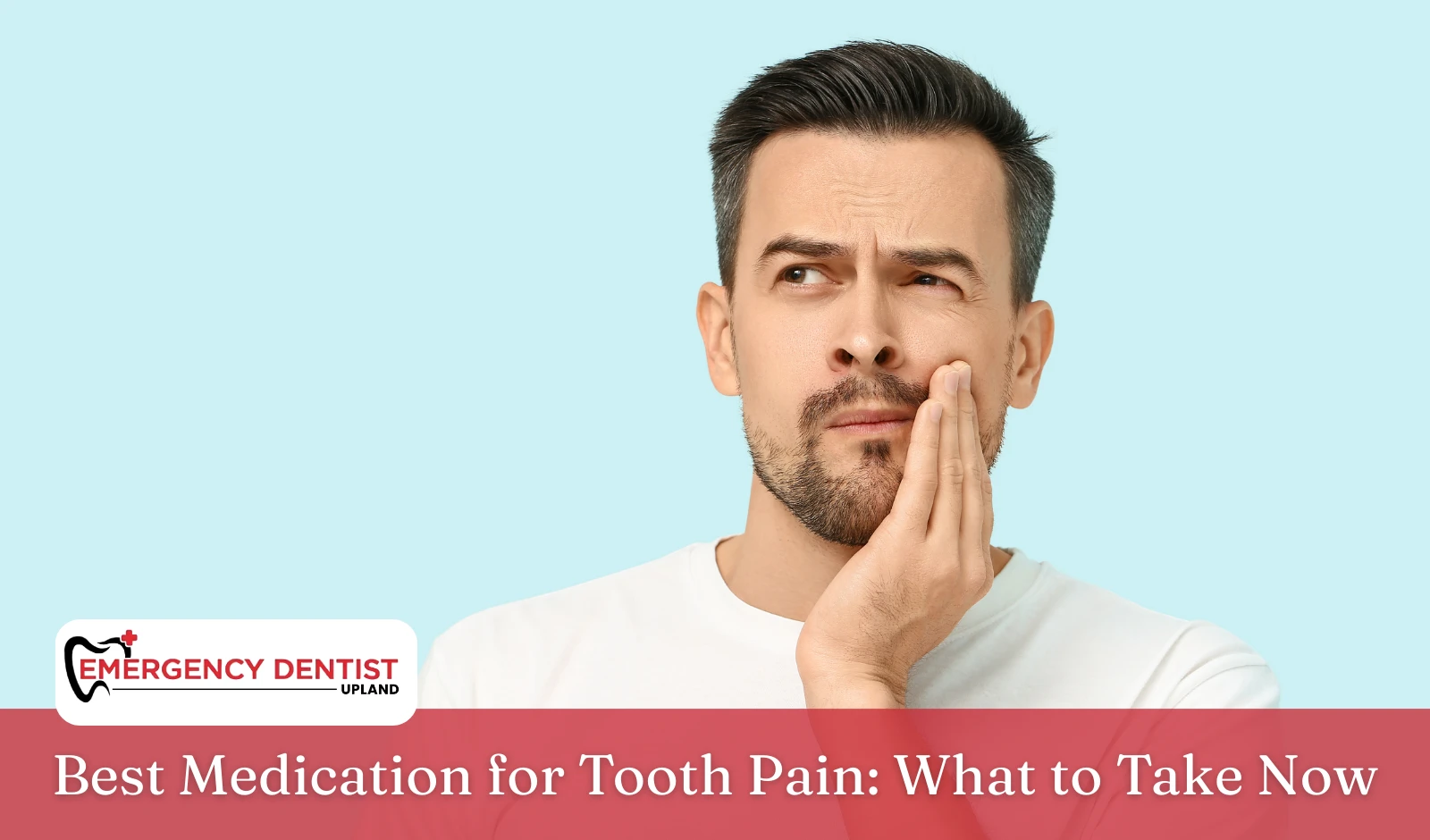
Tooth discomfort can begin suddenly and make it hard to focus, eat, or sleep. It may feel sharp and intense or dull and constant. Whether the pain comes from gum disease, cavities, gum irritations, or sensitivity after dental procedures, knowing what to take for tooth pain can help you manage symptoms until you see a dentist.
Choosing the right tooth pain medicine is important not only for comfort but also for protecting your oral health.
Why Does a Tooth Start Hurting?
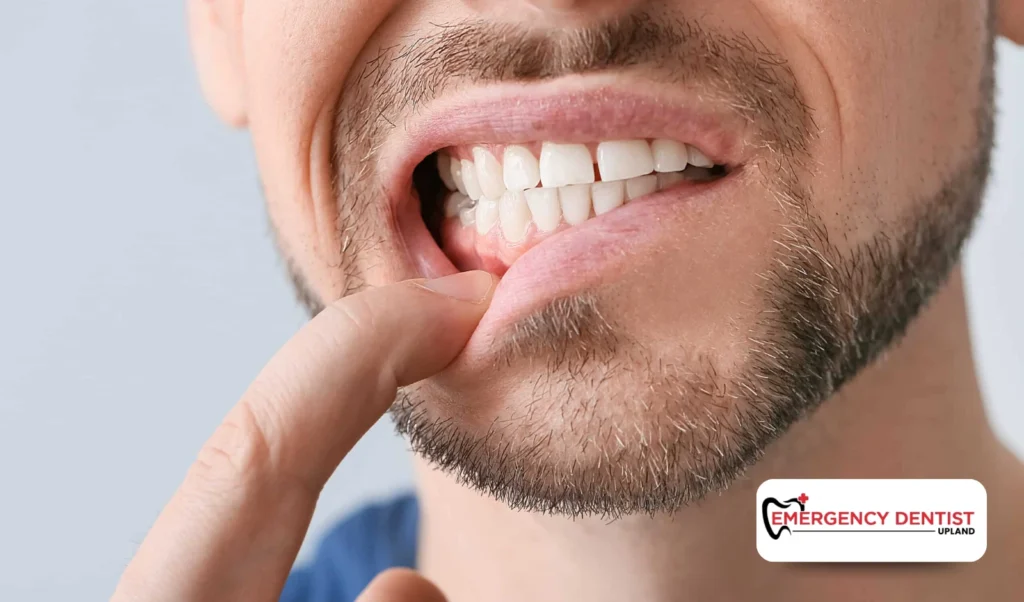
Pain is often a warning sign. It usually means the affected tooth or nearby tissue is inflamed, irritated, or infected. Common causes include:
- Tooth decay or deep cavities
- Gum disease or swollen gums
- Cracked or chipped teeth
- Wisdom tooth pressure
- Infection or abscess
- Sensitivity after dental procedures such as fillings, crowns, or dental implants
Even though tooth pain relief medicine can make you feel better, it does not fix the underlying dental problem. Professional care is often needed to prevent the issue from getting worse.
Over-the-Counter Medicine for Tooth Pain

For mild to moderate discomfort, a counter pain reliever is usually the first step.
Ibuprofen for Tooth Pain: Ibuprofen (often sold as Advil for tooth pain) is a nonsteroidal anti-inflammatory drug. It helps with reducing inflammation in the tissues around the affected tooth. Because swelling often causes pressure and throbbing, ibuprofen not only relieves pain but also reduces the source of discomfort.
Many dentists consider it one of the best pain meds for tooth pain, especially when swelling is present. When taken correctly, it is generally safe and effective for healthy adults.
However, people with certain health conditions, including stomach problems or kidney concerns, should speak with a healthcare provider before using it.
Acetaminophen Tylenol: Another common tooth pain medication is acetaminophen Tylenol. Unlike ibuprofen, it does not focus on reducing inflammation. Instead, it works by changing how the brain processes pain signaling. This helps reduce the feeling of discomfort.
Acetaminophen may be recommended if NSAIDs are not suitable for you. It is often part of combination therapy for better control of reducing pain.
Some dental professionals advise alternating ibuprofen and acetaminophen to improve comfort. If you consider this approach, follow dosing instructions carefully and consult your provider to ensure it is safe for you.
Prescription Options for Severe Pain
If over-the-counter medicine for tooth pain does not provide enough relief, your dentist may suggest stronger medication.
Tramadol for Tooth Pain: For intense discomfort, tramadol for tooth pain may be prescribed for short-term use. This medication works differently from NSAIDs. It changes how the brain responds to pain.
While it can be effective, there are potential concerns. Tramadol for tooth pain side effects may include dizziness, nausea, drowsiness, or constipation. Because of these risks, it is usually used only for a limited time and under close supervision.
Steroid Anti-Inflammatory Medication: In cases involving major swelling or infection, dentists may prescribe medication specifically focused on reducing inflammation quickly. These drugs are sometimes used after certain dental procedures when tissue swelling is significant.
Natural Ways to Support Comfort
If you are waiting for your appointment, there are simple steps you can take at home.
Saltwater Rinse: Add a teaspoon of salt to warm water and gently rinse your mouth. This helps clean the area and calm irritated tissue. Be careful not to rinse aggressively.
Cold Compress: Holding an ice pack against the outside of your cheek can help reduce swelling and numb discomfort around the affected tooth.
Clove Oil: Clove oil contains natural compounds that temporarily numb the area. Apply a small amount with a cotton swab for short-term relief.
These options may help for a few hours but are not permanent solutions.
How to Choose the Best Pain Reliever for Tooth Pain
The best meds for tooth pain depend on your symptoms:
- Swelling and inflammation: Ibuprofen may be ideal.
- General aching: Acetaminophen works well.
- Severe discomfort: Prescription medication may be necessary.
- Mild irritation: Home remedies can provide short-term support.
Every patient is different. Always consider your medical history and existing health conditions before starting any new medication.
When Pain Medication Is Not Enough
Even the best medication for tooth pain cannot repair damage. If discomfort lasts longer than two days, worsens, or is paired with swelling or fever, dental care is essential.
Treatment might include:
- Root canal therapy to treat infection
- Tooth extraction if the tooth cannot be saved
- Deep cleaning for advanced gum disease
- Repair or replacement of damaged dental implants
Addressing the cause protects long-term oral health and prevents future complications.
Final Thoughts
Tooth pain medication can provide temporary comfort, but it won’t resolve the root issue. If symptoms persist or worsen, professional dental care is essential to protect your oral health. Addressing the source of the problem is the only way to achieve long-term relief.
Don’t Just Mask the Pain, Fix the Problem
If you are relying on tooth pain medicine but still feel uncomfortable, it is time to schedule an exam. Emergency Dentist in Upland provides thorough evaluations and customized treatment plans designed to relieve pain and protect your smile. Whether your issue involves gum disease, infection, or restorative needs, we focus on safe and effective solutions that support lasting comfort. Call today for fast relief and a clear treatment plan.
Frequently Asked Questions
What should I take first when my tooth starts hurting?
Most people begin with ibuprofen for tooth pain because it helps with swelling. If you cannot take NSAIDs, acetaminophen may be a good option.
Is it safe to use tramadol for tooth pain?
It can be safe when prescribed and monitored by a dentist, but tramadol for tooth pain side effects should be discussed beforehand.
Can home remedies replace tooth pain medicine?
No. Home methods like clove oil or saltwater rinses provide temporary comfort, but they do not treat the dental problem itself.

ABOUT THE AUTHOR
Dr. Taylor Nielsen, DMD
Co-Founder of Emergency Dentist Huntington Beach, Upland, & More
Dr. Taylor Nielsen, DMD, earned his dental degree from Oregon Health & Science University after graduating with honors from Brigham Young University–Idaho. With over 1,000 hours of volunteer dental service, he is committed to providing high-quality, comfortable, and personalized care for every patient.